
In the ever-evolving world of cannabis cultivation, certain strains emerge that capture the attention of seasoned enthusiasts and connoisseurs alike. The Japanese Peach strain has become one of these standout varieties, earning a devoted following among those who appreciate the finer nuances of premium cannabis. This relatively mysterious hybrid has carved out a unique position in the market, not through aggressive marketing or hype, but through the genuine quality of the experience it delivers. From its captivating peachy aroma that fills the room upon opening a jar, to its perfectly balanced effects that satisfy both recreational and therapeutic users, Japanese Peach represents what many consider the ideal cannabis strain. Its appeal lies not in extreme potency or novelty alone, but in the harmonious combination of flavor, effects, aesthetics, and versatility that makes it suitable for various occasions and user preferences. For connoisseurs who have sampled countless strains in search of that perfect balance, Japanese Peach consistently delivers an experience that keeps them coming back. This comprehensive guide explores exactly why this strain has earned its reputation among discerning cannabis enthusiasts.
What is the Japanese Peach Strain?
The Japanese Peach strain is a balanced hybrid cannabis variety that has gained significant recognition in the cannabis community for its exceptional flavor profile and well-rounded effects. Classified as a 50% indica and 50% sativa hybrid, this strain offers users the best of both worlds, the uplifting, cerebral effects typically associated with sativa varieties combined with the physical relaxation and body effects characteristic of indica strains. This perfect genetic balance makes Japanese Peach an incredibly versatile option that can be enjoyed at different times of day and for various purposes.
What makes Japanese Peach particularly intriguing to cannabis enthusiasts is the air of mystery surrounding its exact genetic lineage. While the strain’s origins aren’t definitively documented, most sources within the cannabis community suggest that Japanese Peach is likely a cross between Pink Gelato and Peaches strains. This parentage would certainly explain many of the strain’s most beloved characteristics, the sweet, fruity flavor profile inherited from the Peaches lineage, combined with the creamy, dessert-like qualities and potency associated with Pink Gelato genetics.
The lack of concrete information about its breeding history hasn’t diminished the strain’s popularity; if anything, this mystery has added to its allure among connoisseurs who appreciate discovering hidden gems in the cannabis world. Unlike some heavily marketed strains with well-documented pedigrees, Japanese Peach has built its reputation purely on the quality of the experience it provides. This organic rise to prominence speaks volumes about the strain’s genuine appeal.
The hybrid nature of Japanese Peach means that users can expect a complex experience that evolves throughout the session. The initial effects tend to lean slightly toward the sativa side, with an uplifting cerebral buzz that enhances mood and creativity. As the experience progresses, the indica characteristics become more apparent, providing physical relaxation without the heavy sedation that can make some indica-dominant strains unsuitable for daytime use. This progression creates a dynamic experience that connoisseurs find endlessly enjoyable and never monotonous.
-

Ballato Weed By Glo Gang
Price range: $160.99 through $310.00 -
-

Candy Rainbows Indoors
Price range: $180.00 through $1,600.99 -
Sale!

Crunch Berries BackpackBoyz Weed
Original price was: $350.00.$300.00Current price is: $300.00. -

Dum Dumz Exotic Flower Powered by SNOOZE
Price range: $300.00 through $3,650.00 -
Sale!
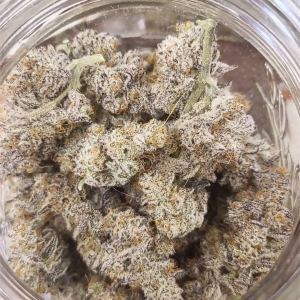
Japanese Peach Strain
Price range: $233.00 through $1,300.00 -

-

LA Dulceria Weed
Price range: $200.00 through $2,050.00 -
Lemon Cherry Delight Indoors
Price range: $180.00 through $1,600.99 -
Sale!

Lemon Cherry Popper strain
Price range: $225.00 through $1,333.00 -
Sale!
Muha Meds Exotic Flower
Original price was: $100.00.$70.00Current price is: $70.00. -
Sale!

Og Cake Flower X Animal Mintz | INDICA
Price range: $165.00 through $1,455.00 -
Sale!

Og Cake Flower X Zushilato | INDICA
Price range: $165.00 through $1,455.00 -
Sale!
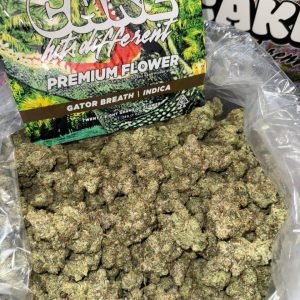
Og Cake Hits Different Premium Flower
Price range: $165.00 through $1,455.00 -
Sale!
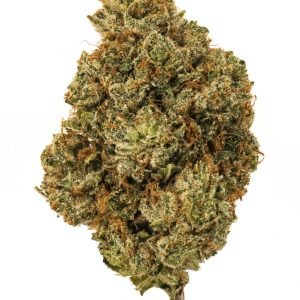
Og Kush Marijuana Flower Indica
Price range: $245.00 through $1,500.00 -
Sale!
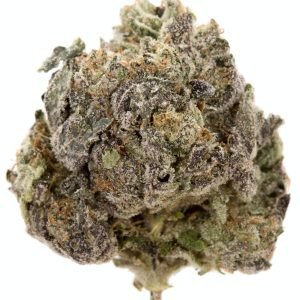
Pink Panties Strain Cannabis Flower Indica
Price range: $240.00 through $1,300.00 -
Sale!
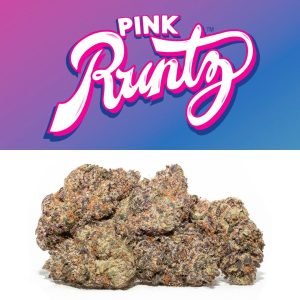
Pink Runtz Strain
Price range: $400.00 through $2,500.00 -

Rainbow Skittlez Exotics
Price range: $180.00 through $1,600.99 -

Rolex Presidential Backpackboyz
Price range: $50.00 through $350.00 -
Sale!
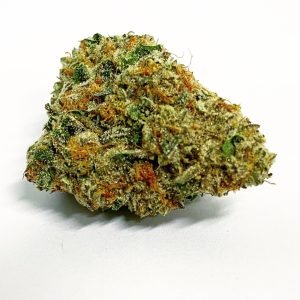
Sunset Sherbet Strain Cannabis Flower
Price range: $250.00 through $1,300.00
Origins and Genetics: The Mystery Behind Japanese Peach
The story of Japanese Peach’s origins is shrouded in the kind of mystery that often surrounds exceptional cannabis strains developed by underground breeders or small scale cultivators. Unlike commercial strains bred by large seed companies with detailed documentation of their genetic lineage, Japanese Peach appears to have emerged from the craft cannabis scene, where passionate breeders experiment with crosses to create something truly special without necessarily seeking widespread recognition or commercial success.
The most widely accepted theory regarding Japanese Peach’s parentage points to a cross between Pink Gelato and Peaches strains. Pink Gelato itself is a descendant of the famous Gelato lineage, which has produced numerous award-winning strains known for their dessert-like flavors and potent effects. The Gelato family is renowned for producing dense, resinous buds with complex terpene profiles that deliver both exceptional flavor and powerful effects. By incorporating Pink Gelato genetics, Japanese Peach inherited the potential for high THC content, beautiful coloration with purple hues, and that creamy, smooth smoke quality that Gelato varieties are famous for.
The Peaches side of the genetic equation contributes the strain’s most distinctive characteristic,its authentic, pronounced peach flavor and aroma. Peach flavored cannabis strains have become increasingly popular among connoisseurs who appreciate fruit-forward terpene profiles, but many fall short of delivering a truly authentic peach experience. The Peaches strain, however, is known for its genuine peachy character, and this trait has been successfully passed down to Japanese Peach, making it one of the most convincingly fruit-flavored strains available.
The 50/50 indica sativa balance in Japanese Peach suggests careful selection during the breeding process. Creating a truly balanced hybrid requires more than simply crossing an indica with a sativa; it demands selecting specific phenotypes that express the desired traits from both sides of the genetic spectrum. The breeder or breeders behind Japanese Peach clearly understood this, selecting parent plants and subsequent offspring that would produce consistent, balanced effects rather than leaning heavily toward one side or the other.
This mysterious lineage has become part of Japanese Peach’s appeal among connoisseurs. In an era where cannabis genetics are increasingly commodified and mass-produced, there’s something refreshing about a strain that emerged organically from the craft cannabis community. The lack of corporate branding or aggressive marketing means that Japanese Peach’s reputation has been built entirely through word of mouth recommendations from satisfied users who genuinely appreciate its qualities. This grassroots popularity is often a more reliable indicator of quality than any amount of marketing hype.
The genetic mystery also means that different growers may be working with slightly different phenotypes of Japanese Peach, leading to subtle variations in the final product. While this might be seen as inconsistency in commercial cannabis production, connoisseurs often appreciate this variation as it allows them to explore different expressions of the strain’s genetic potential. Some phenotypes might emphasize the peachy sweetness more prominently, while others might showcase more of the creamy Gelato characteristics or display more vibrant purple coloration.
Appearance and Aroma: A Feast for the Senses
One of the first things that captures attention when encountering Japanese Peach is its stunning visual appeal. This strain produces exceptionally beautiful buds that exemplify what connoisseurs look for in premium cannabis. The flowers are notably dense and compact, with a structure that reflects quality cultivation and proper curing. These aren’t the airy, loosely-formed buds that indicate subpar growing conditions; instead, Japanese Peach develops tight, resinous nuggets that have substantial weight and feel solid to the touch.
The color palette of Japanese Peach buds is truly remarkable. The base color is a vibrant, healthy green that indicates proper nutrition and optimal growing conditions. This lush green provides the perfect canvas for the strain’s other visual characteristics to shine. Winding throughout the buds are bright orange pistils, the hair like structures that are actually the plant’s reproductive organs. These pistils are particularly abundant in Japanese Peach, creating striking contrast against the green backdrop and adding to the overall visual appeal.
What truly sets Japanese Peach apart visually, however, is the presence of purple and violet hues that often appear in the leaves and calyxes, particularly in plants that have been exposed to cooler temperatures during the flowering phase. These purple tones are inherited from the Pink Gelato lineage and add an extra dimension of beauty to the buds. The purple coloration isn’t uniform across all phenotypes or growing conditions, but when present, it creates a stunning multicolored appearance that makes Japanese Peach instantly recognizable.
The most impressive visual characteristic of Japanese Peach is its heavy trichome coverage. Trichomes are the tiny, crystal like resin glands that cover the surface of cannabis flowers, and they’re responsible for producing the cannabinoids and terpenes that create the strain’s effects and flavors. Japanese Peach produces an abundance of trichomes that give the buds a frosted, sparkling appearance, as if they’ve been dusted with sugar or diamonds. Under proper lighting or magnification, these trichomes create a dazzling display that immediately signals high potency and quality to experienced cannabis users. The trichomes on Japanese Peach are typically milky white with some amber coloration, indicating optimal harvest timing and peak cannabinoid production.
The aroma of Japanese Peach is where this strain truly begins to reveal its exceptional character. Even before opening a container, the scent often announces itself, and upon breaking the seal, the fragrance becomes immediately apparent and room filling. The dominant note is, unsurprisingly, peach but this isn’t a artificial, candy-like peach scent. Instead, Japanese Peach delivers an authentic, natural peach aroma reminiscent of biting into a ripe, juicy peach at the peak of summer. This genuine fruit character is what separates Japanese Peach from many other fruit-flavored strains that rely on artificial-tasting terpene profiles.
Beneath the prominent peach notes, there’s a complex bouquet of tropical fruit aromas. Users often detect hints of mango, papaya, and citrus, creating a multi-layered fruity profile that evolves as the buds are handled and broken apart. This tropical character adds depth to the aroma and prevents it from being one dimensional. The fruit-forward terpene profile is primarily driven by myrcene, limonene, and beta-caryophyllene, which work together to create this distinctive scent signature.
There’s also a subtle sweetness to the aroma that has a creamy, almost dessert like quality, likely inherited from the Pink Gelato genetics. This sweetness rounds out the fruit notes and adds a sophisticated element to the overall aroma profile. Some users also detect very subtle earthy or herbal undertones that provide grounding to the otherwise bright, fruity scent. These earthy notes become more apparent when the buds are ground up, revealing the full complexity of the terpene profile.
The intensity and persistence of Japanese Peach’s aroma is another quality that connoisseurs appreciate. This isn’t a strain with a subtle scent that quickly dissipates; the aroma is bold, long-lasting, and tends to linger in the air and on the fingers after handling. This aromatic intensity is a good indicator of high terpene content, which correlates with both flavor and the entourage effect that enhances the overall cannabis experience.
Flavor Profile: Why Connoisseurs Love the Taste
While appearance and aroma are important, it’s ultimately the flavor profile that determines whether a strain becomes a favorite among true cannabis connoisseurs. Japanese Peach excels in this department, delivering a taste experience that lives up to the promise of its enticing aroma and consistently impresses even the most discerning palates.
On the inhale, Japanese Peach immediately delivers its signature sweet peach flavor. This isn’t a fleeting taste that quickly fades; it’s a pronounced, authentic peach flavor that coats the palate and tastes remarkably like the actual fruit. The sweetness is natural and balanced, never cloying or artificial. Many fruit flavored cannabis strains disappoint because they taste more like fruit candy than actual fruit, but Japanese Peach achieves that elusive goal of genuine fruit flavor. This authenticity is what makes the strain so appealing to connoisseurs who have tried countless strains and can immediately distinguish between artificial tasting terpene profiles and the real deal.
As the smoke or vapor develops on the palate, additional layers of flavor emerge. The tropical fruit notes that were present in the aroma translate beautifully to the taste, with hints of mango, papaya, and citrus adding complexity to the primary peach flavor. These tropical notes create a vacation like sensory experience that many users find uplifting and mood enhancing even before the cannabinoids begin to take effect. The interplay between the peach and tropical fruit flavors creates a dynamic taste that evolves throughout the session, preventing palate fatigue and keeping each hit interesting.
The creamy, dessert like qualities inherited from the Pink Gelato lineage become particularly apparent on the exhale. There’s a smooth, almost velvety quality to the smoke or vapor that carries subtle hints of cream or vanilla. This creaminess provides a sophisticated counterpoint to the bright fruit flavors and adds a luxurious element to the overall taste experience. Some users describe detecting notes of sweet cream, custard, or even hints of baked goods on the exhale, though these flavors are subtle and serve more to round out the profile than to dominate it.
Beneath all the sweetness and fruit, there are very subtle earthy undertones that provide depth and prevent the flavor from being too one dimensional. These earthy notes are never prominent enough to overshadow the fruit forward character, but they add a grounding element that gives the flavor profile more complexity and sophistication. Some phenotypes may also express slight herbal or floral notes that add yet another layer to the taste experience.
One of the most impressive aspects of Japanese Peach’s flavor is its persistence and intensity. The taste doesn’t fade quickly after exhaling; instead, it lingers on the palate for an extended period, allowing users to savor the experience between hits. This long lasting flavor is a hallmark of high quality cannabis with robust terpene content. Even after a session has concluded, the peachy sweetness often remains detectable on the palate for quite some time, serving as a pleasant reminder of the experience.
The smoothness of Japanese Peach is another quality that connoisseurs appreciate. Despite its potency, the smoke or vapor is remarkably smooth and easy on the throat and lungs. There’s minimal harshness or irritation, even when taking larger hits. This smoothness is partly due to the strain’s terpene profile, which includes compounds that have natural anti-inflammatory properties, but it’s also a result of proper cultivation and curing. Well grown and properly cured Japanese Peach should never be harsh or cause excessive coughing, making it accessible even to users who are sensitive to harsh smoke.
The flavor consistency across different consumption methods is noteworthy. Whether smoked in a joint, pipe, or bong, or vaporized at various temperatures, Japanese Peach maintains its characteristic peachy sweetness and complex flavor profile. Vaporizing at lower temperatures (around 350-375°F) tends to emphasize the fruity, sweet notes, while higher temperatures (400-430°F) bring out more of the earthy undertones and produce thicker, more substantial vapor. This versatility means that users can tailor their experience based on their preferred consumption method without sacrificing flavor quality.
For connoisseurs who appreciate the ritual and sensory experience of cannabis consumption as much as the effects, Japanese Peach delivers on every level. The combination of authentic fruit flavor, creamy smoothness, complex terpene profile, and long-lasting taste creates a genuinely premium experience that justifies the strain’s reputation. In blind taste tests among experienced cannabis users, Japanese Peach consistently ranks highly, often being identified as a top-shelf strain based on flavor alone. This consistent performance across different batches and growers speaks to the stability of the genetics and the inherent quality of the strain.
Potency and Cannabinoid Profile
Understanding the cannabinoid profile of Japanese Peach is essential for appreciating why this strain has become such a favorite among connoisseurs. The potency and chemical composition directly influence the effects, duration, and overall experience that users can expect.
Japanese Peach is classified as a high-potency strain, with THC levels typically ranging from 22% to 33% depending on the specific phenotype, growing conditions, and cultivation expertise. This wide range reflects the genetic variation that can occur with different phenotypes and the significant impact that growing techniques can have on final cannabinoid production. Well-cultivated Japanese Peach from experienced growers often tests toward the higher end of this spectrum, with some exceptional batches reaching or even slightly exceeding 30% THC.
This high THC content places Japanese Peach firmly in the category of potent strains that demand respect, particularly from less experienced users. However, what distinguishes Japanese Peach from other high THC strains is how this potency manifests in the actual experience. Rather than delivering an overwhelming, potentially anxiety-inducing high that some ultra potent strains can produce, Japanese Peach’s effects feel more refined and manageable. The balanced indica-sativa genetics seem to modulate the THC’s impact, creating a powerful but controlled experience that doesn’t feel harsh or excessive.
The CBD content in Japanese Peach is minimal, typically testing at less than 1% and often closer to 0.5% or below. This low CBD level is typical for modern recreational cannabis strains that have been bred primarily for THC production and psychoactive effects. While some users prefer strains with higher CBD content for its potential to moderate THC’s effects and provide additional therapeutic benefits, the low CBD in Japanese Peach allows the THC and terpenes to express themselves fully without modulation. For connoisseurs seeking a clear, pronounced cannabis experience, this cannabinoid profile is often preferred.
Beyond THC and CBD, Japanese Peach contains a variety of minor cannabinoids that contribute to the overall effects through the entourage effect, the synergistic interaction between different cannabis compounds. While these minor cannabinoids are present in much smaller quantities, they play important roles in shaping the experience. Cannabinoids like CBG (cannabigerol), CBN (cannabinol), and THCV (tetrahydrocannabivarin) are typically present in trace amounts and contribute subtle nuances to the effects.
The terpene profile of Japanese Peach is particularly noteworthy and is arguably as important as the cannabinoid content in determining the strain’s character. The dominant terpenes include:
Myrcene: This is typically the most abundant terpene in Japanese Peach, contributing to the fruity, mango like aroma and promoting relaxation and sedative effects. Myrcene is also believed to enhance THC’s ability to cross the blood-brain barrier, potentially intensifying the psychoactive effects.
Limonene: Responsible for the citrus notes in the aroma and flavor, limonene contributes uplifting, mood enhancing effects and may have anti anxiety properties. This terpene helps balance the more sedating effects of myrcene.
Beta-Caryophyllene: This spicy, peppery terpene adds depth to the flavor profile and has unique properties among terpenes it can directly activate cannabinoid receptors in the body, potentially providing anti-inflammatory and pain relieving effects.
Linalool: Present in smaller quantities, this floral, lavender like terpene contributes to the strain’s calming effects and adds subtle complexity to the aroma.
Pinene: Also present in minor amounts, pinene adds fresh, pine-like notes and may help with alertness and memory retention, counteracting some of THC’s short-term memory effects.
This rich terpene profile works synergistically with the high THC content to create Japanese Peach’s distinctive effects. The combination of relaxing terpenes like myrcene and linalool with more uplifting compounds like limonene and pinene helps explain why the strain delivers such balanced effects despite its indica–sativa hybrid genetics.
The potency of Japanese Peach makes it particularly suitable for experienced cannabis users and connoisseurs who have developed tolerance and can appreciate the nuances of a high-THC strain. However, the balanced nature of the effects means that even users with moderate tolerance can enjoy Japanese Peach by simply adjusting their dosage. Starting with smaller amounts and gradually increasing allows users to find their optimal dose without becoming overwhelmed.
For medical cannabis patients, the high THC content and specific terpene profile make Japanese Peach potentially effective for various conditions, though the low CBD content means it’s not ideal for conditions that respond better to CBD-rich strains. The potency ensures that even small amounts can provide significant therapeutic effects, making it economical for regular medical users.
Effects: The Perfect Balance
The effects of Japanese Peach represent the culmination of its carefully balanced genetics, high potency, and complex terpene profile. This is where the strain truly demonstrates why it has earned such devoted following among cannabis connoisseurs—the experience it delivers is refined, multifaceted, and remarkably consistent.
The onset of Japanese Peach’s effects is relatively quick, typically becoming noticeable within 5 to 10 minutes of consumption. This rapid onset is characteristic of high THC strains and allows users to gauge their dosage effectively. The initial effects tend to manifest first in the head, with users reporting a gentle cerebral uplift that feels like a wave of positivity washing over their consciousness. This isn’t a jarring or disorienting head high; instead, it’s a smooth, pleasant elevation of mood and mental state that feels natural and comfortable.
As the cerebral effects develop, users typically experience a notable sense of euphoria. This euphoric quality is one of Japanese Peach’s most beloved characteristics, it’s genuine happiness and contentment rather than artificial stimulation. Many users describe feeling more optimistic, finding humor in everyday situations, and experiencing an enhanced appreciation for their surroundings. This mood elevation makes Japanese Peach excellent for social situations, creative endeavors, or simply enjoying leisure activities with a more positive mindset.
The mental effects include enhanced creativity and a slight shift in thought patterns that many users find conducive to artistic pursuits, brainstorming, or engaging in deep conversations. Ideas seem to flow more freely, and users often report making interesting connections between concepts that might not have occurred to them in their normal state of mind. However, unlike some sativa dominant strains that can produce racing thoughts or mental overstimulation, Japanese Peach maintains a sense of mental clarity and focus. Thoughts remain organized and coherent rather than scattered or overwhelming.
Approximately 15 to 30 minutes into the experience, the physical effects begin to become more apparent. This is where the indica genetics make their presence known, but in a beautifully balanced way. Users experience a gentle wave of physical relaxation that starts in the head and neck and gradually spreads throughout the body. Muscle tension melts away, and there’s a pleasant sense of physical comfort and ease. This body relaxation is substantial enough to be clearly noticeable and therapeutically beneficial, but it doesn’t lead to couch lock or heavy sedation that would prevent users from remaining active if they choose to be.
The balance between mental stimulation and physical relaxation is what makes Japanese Peach so versatile. Users can choose to lean into the relaxing effects and enjoy a peaceful, meditative experience, or they can harness the uplifting mental effects and remain productive and engaged with activities. This flexibility is rare in cannabis strains, which often push users clearly toward either energetic activity or sedentary relaxation.
Socially, Japanese Peach tends to enhance communication and connection. The combination of mood elevation, reduced anxiety, and maintained mental clarity makes conversations feel more engaging and meaningful. Many users report feeling more talkative and socially confident without the awkwardness or paranoia that some high THC strains can induce. This makes Japanese Peach an excellent choice for social gatherings, dinner parties, or any situation where enhanced social interaction is desired.
The peak effects of Japanese Peach typically occur between 30 and 60 minutes after consumption and can last for an additional 30 to 60 minutes at full intensity. During this peak period, all of the strain’s effects are at their most pronounced, the euphoria is strongest, the physical relaxation is most noticeable, and the overall experience is most immersive. Users often report a pleasant sense of being “in the moment,” with enhanced sensory perception that makes music sound richer, food taste more delicious, and visual experiences more engaging.
Sensory enhancement is indeed one of Japanese Peach’s notable effects. Colors may appear more vibrant, sounds more detailed, and tactile sensations more pronounced. This makes the strain excellent for activities that engage the senses, listening to music, watching visually stunning films, enjoying gourmet food, or spending time in nature. The enhanced sensory perception isn’t overwhelming or distorting; rather, it’s a subtle amplification that allows users to notice and appreciate details they might normally overlook.
The total duration of Japanese Peach’s effects typically ranges from 2 to 4 hours, depending on the amount consumed, the user’s tolerance, and their individual metabolism. This moderate duration is ideal for most users, long enough to fully enjoy the experience without committing to an all day affair. The effects gradually taper off rather than dropping off suddenly, allowing for a smooth transition back to baseline.
One of the most appreciated aspects of Japanese Peach is its gentle comedown. As the effects begin to fade, there’s no harsh crash, overwhelming fatigue, or negative mood shift. Instead, users typically experience a soft landing back to their normal state, often feeling relaxed, content, and slightly tired but not exhausted. Some users report a pleasant afterglow that persists for an hour or two after the main effects have subsided, a subtle sense of well-being and relaxation that makes the entire experience feel complete and satisfying.
The lack of negative side effects is another reason connoisseurs favor Japanese Peach. While dry mouth and dry eyes are common and expected with most cannabis strains, Japanese Peach typically doesn’t produce the anxiety, paranoia, or mental fog that can occur with some high-THC varieties. The balanced genetics seem to provide a buffer against these unwanted effects, making the experience consistently positive and enjoyable.
For different tolerance levels, Japanese Peach scales remarkably well. Novice users who consume small amounts will experience milder versions of the effects, gentle relaxation, mood elevation, and slight sensory enhancement without becoming overwhelmed. Experienced users with higher tolerance can consume larger amounts to achieve more pronounced effects while still maintaining the strain’s characteristic balance and avoiding negative experiences. This scalability makes Japanese Peach accessible to a wide range of users while remaining interesting and effective even for seasoned connoisseurs.
Why Cannabis Connoisseurs Prefer Japanese Peach
The question of why Japanese Peach has become such a favorite among cannabis connoisseurs deserves deep exploration, as it reveals what experienced cannabis users truly value in a premium strain. Connoisseurs, those who have sampled hundreds or even thousands of different strains and developed refined palates and preferences, don’t become devoted to a strain without good reason. Japanese Peach has earned its reputation through a combination of qualities that collectively create an exceptional cannabis experience.
Authentic, Distinctive Flavor Profile: Perhaps the most significant factor in Japanese Peach’s appeal to connoisseurs is its genuinely authentic peach flavor. In the cannabis world, there are countless strains with fruit names that promise specific flavors but deliver generic, artificial-tasting experiences. Japanese Peach stands apart by actually tasting like real, ripe peaches rather than peach candy or artificial flavoring. For connoisseurs who have been disappointed by overhyped strains with underwhelming flavors, Japanese Peach’s ability to deliver on its promise is refreshing and noteworthy. The complexity of the flavor profile, with its layers of tropical fruit, creamy undertones, and subtle earthiness, provides depth that keeps the taste interesting through repeated sessions. Connoisseurs appreciate strains that don’t become boring or one-dimensional over time, and Japanese Peach maintains its appeal even after regular use.
Perfect Balance of Effects: The true 50/50 hybrid nature of Japanese Peach is rare and valuable. Many strains marketed as balanced hybrids actually lean noticeably toward either indica or sativa effects. Japanese Peach delivers genuine balance, providing mental stimulation and physical relaxation in equal measure. This balance makes the strain incredibly versatile, suitable for daytime or evening use, social situations or solo relaxation, creative work or simple enjoyment. Connoisseurs value this versatility because it means they can rely on a single strain for multiple purposes rather than needing different strains for different occasions. The ability to modulate the experience based on dosage and setting while maintaining the strain’s core character is a sophisticated quality that experienced users recognize and appreciate.
Consistency Across Phenotypes: While there is some natural variation between different phenotypes and grows of Japanese Peach, the strain demonstrates remarkable consistency in its core characteristics. The peachy flavor, balanced effects, and high quality are present across different batches from different growers. This reliability is crucial for connoisseurs who want to know what to expect when they purchase Japanese Peach. In a market where quality can vary dramatically even within the same strain name, Japanese Peach’s consistency is a significant advantage. Connoisseurs can recommend the strain to others with confidence, knowing that their friends will likely have a similar positive experience.
Appropriate Potency Without Overwhelming Effects: Japanese Peach’s high THC content (22-33%) places it firmly in the potent category, which appeals to experienced users who have developed tolerance and seek strong effects. However, the strain’s potency doesn’t manifest as overwhelming intensity that can trigger anxiety or discomfort. The balanced genetics and terpene profile seem to modulate the THC’s impact, creating powerful but manageable effects. This is the sweet spot that connoisseurs seek, strong enough to be clearly effective and economical, but refined enough to remain enjoyable and functional. Many ultra high THC strains sacrifice quality of experience for raw potency, but Japanese Peach maintains sophistication alongside its strength.
Exceptional Bag Appeal: Connoisseurs appreciate cannabis as a complete sensory experience, and visual appeal is part of that equation. Japanese Peach’s dense, trichome covered buds with vibrant colors and striking orange pistils demonstrate quality before consumption even begins. The heavy resin production visible in the thick trichome coverage signals high potency and rich terpene content. For connoisseurs who take pride in their cannabis collection and enjoy sharing premium flower with friends, Japanese Peach’s stunning appearance makes it a showpiece strain. The visual quality also serves as a reliable indicator of proper cultivation well grown Japanese Peach looks as good as it smokes.
Therapeutic Benefits Without Medical Strain Drawbacks: Many medical cannabis strains are highly effective for specific conditions but lack the refined flavor and enjoyable recreational effects that connoisseurs seek. Japanese Peach bridges this gap, offering legitimate therapeutic benefits for stress, anxiety, pain, and mood disorders while still providing an enjoyable, flavorful experience. Connoisseurs who use cannabis both recreationally and medicinally appreciate not having to choose between effectiveness and enjoyment. The strain’s ability to relieve symptoms while enhancing mood and providing pleasure makes it a holistic wellness tool rather than just medicine.
Smooth, Clean Smoke or Vapor: The smoothness of Japanese Peach is a quality that becomes more important as users gain experience. Harsh, irritating smoke or vapor detracts from the experience and can cause discomfort. Japanese Peach’s smooth character, when properly grown and cured, allows users to take satisfying hits without excessive coughing or throat irritation. This smoothness is partly due to the strain’s terpene profile and partly a result of the dense bud structure that tends to cure evenly and thoroughly. Connoisseurs recognize smoothness as a hallmark of quality and appreciate strains that are easy on the lungs.
Engaging Without Being Demanding: Some potent strains demand the user’s full attention and can make it difficult to engage in activities or maintain conversations. Japanese Peach provides a rich, engaging experience while still allowing users to remain functional and present. This quality makes it suitable for a wider range of situations and activities. Connoisseurs value strains that enhance experiences rather than overwhelming them, and Japanese Peach strikes this balance beautifully.
Cultivation Accessibility: For connoisseurs who grow their own cannabis, Japanese Peach’s relatively easy cultivation and short flowering time make it an attractive option. The strain produces generous yields of high quality flower without requiring expert-level growing skills or extensive experience. This accessibility means that home growers can produce connoisseur-quality cannabis themselves, which is both economically advantageous and personally satisfying. The ability to cultivate a strain that rivals or exceeds commercial offerings is highly valued in the connoisseur community.
Community Reputation and Word-of-Mouth Endorsement: Japanese Peach’s reputation has been built organically through genuine user experiences rather than marketing hype. When connoisseurs discover a truly exceptional strain, they share that information within their communities. Japanese Peach has benefited from this grassroots endorsement, with experienced users consistently recommending it to others. For connoisseurs, peer recommendations from trusted sources carry far more weight than advertising or brand recognition. The fact that Japanese Peach has earned its reputation through quality alone speaks volumes about its genuine merit.
Value Proposition: While Japanese Peach is typically priced as a premium strain, connoisseurs recognize it as offering excellent value. The combination of potency, flavor, effects, and consistency means that users get a complete, satisfying experience that justifies the cost. The high THC content also means that less product is needed to achieve desired effects, making it economical despite premium pricing. Connoisseurs are willing to pay more for quality, but they also appreciate when that quality delivers genuine value rather than just prestige.
Medical Benefits and Therapeutic Applications
While Japanese Peach has earned its reputation primarily among recreational users and connoisseurs, the strain also offers significant therapeutic potential for medical cannabis patients. The combination of high THC content, balanced effects, and specific terpene profile makes it suitable for addressing various conditions and symptoms.
Stress and Anxiety Relief: One of the most commonly reported therapeutic benefits of Japanese Peach is its effectiveness for stress and anxiety management. The strain’s uplifting, euphoric effects help shift perspective and reduce the mental burden of stress. The physical relaxation component helps release the muscle tension that often accompanies chronic stress. Importantly, Japanese Peach tends to reduce anxiety without causing the paranoia or increased anxiety that some high THC strains can trigger in susceptible individuals. The presence of limonene and linalool in the terpene profile contributes to these anxiolytic effects, as both terpenes have been studied for their potential anti-anxiety properties. Patients dealing with generalized anxiety disorder, social anxiety, or stress-related conditions often report that Japanese Peach helps them feel more calm, centered, and capable of managing their symptoms.
Mood Disorder Support: The pronounced mood elevating effects of Japanese Peach make it potentially beneficial for individuals dealing with depression, mood swings, or other mood-related conditions. The euphoric quality of the high can provide temporary relief from depressive symptoms and help patients access more positive emotional states. While cannabis should not be considered a replacement for professional mental health treatment, many patients report that Japanese Peach helps them manage symptoms between therapy sessions or in conjunction with other treatments. The strain’s ability to enhance appreciation for activities and experiences can help combat anhedonia the inability to feel pleasure which is a common symptom of depression.
Pain Management: The combination of high THC content and the presence of beta-caryophyllene makes Japanese Peach potentially effective for pain management. The physical relaxation effects help reduce muscle tension and spasms, while the THC provides analgesic properties that can dull pain signals. Patients with chronic pain conditions, including arthritis, fibromyalgia, back pain, and migraines, have reported finding relief with Japanese Peach. The strain’s balanced effects mean that patients can potentially manage pain during the day without becoming too sedated to function, though individual responses vary. The anti-inflammatory properties of certain terpenes in the profile may also contribute to pain relief by addressing underlying inflammation.
Appetite Stimulation: Like many high THC cannabis strains, Japanese Peach can stimulate appetite, commonly known as “the munchies.” For patients dealing with appetite loss due to medical conditions, treatments like chemotherapy, or eating disorders, this effect can be therapeutically valuable. The strain’s pleasant flavor and mood enhancing effects can make eating more enjoyable, which is particularly beneficial for patients who have lost interest in food. The appetite stimulation typically occurs during the peak effects and can last for several hours.
Sleep Support: While Japanese Peach is balanced enough to be used during the day, many patients find it helpful for sleep when consumed in larger amounts in the evening. The physical relaxation and mental calming effects can help quiet racing thoughts and release physical tension that interferes with sleep. The strain doesn’t typically cause immediate heavy sedation, but as the effects progress and begin to fade, many users experience a natural tiredness that facilitates falling asleep. The quality of sleep reported by users is generally good, with many noting that they wake feeling rested rather than groggy.
PTSD and Trauma-Related Symptoms: Some patients with PTSD or trauma related conditions report that Japanese Peach helps manage symptoms like hypervigilance, intrusive thoughts, and emotional reactivity. The strain’s calming effects without heavy sedation can help patients feel more grounded and present. The mood elevation can provide temporary relief from the emotional weight of trauma. However, cannabis use for PTSD should be approached carefully and ideally under professional guidance, as individual responses can vary significantly.
Who Might Benefit: Japanese Peach may be particularly suitable for medical cannabis patients who:
-
Need symptom relief during the day while remaining functional
-
Have found pure indica strains too sedating or pure sativas too stimulating
-
Appreciate good flavor and want their medicine to be enjoyable
-
Have developed tolerance to lower potency strains
-
Need relief from multiple symptoms simultaneously (pain, anxiety, and mood issues, for example)
-
Want to avoid the grogginess or mental fog that some medical strains can cause
Important Considerations: While Japanese Peach offers therapeutic potential, medical cannabis patients should be aware of several considerations. The high THC content means that dosing should be approached carefully, especially for patients new to cannabis or with low tolerance. Starting with very small amounts and gradually increasing allows patients to find their optimal therapeutic dose without experiencing unwanted effects. The low CBD content means that Japanese Peach may not be ideal for conditions that respond better to CBD rich strains, such as certain seizure disorders or conditions where CBD’s anti inflammatory properties are specifically desired. Patients should consult with healthcare providers familiar with cannabis medicine to determine if Japanese Peach is appropriate for their specific conditions and to ensure it won’t interact negatively with other medications.
Growing Japanese Peach: Cultivator’s Guide
For cannabis cultivators, whether commercial growers or home enthusiasts, Japanese Peach presents an attractive option that combines quality output with reasonable growing requirements. Understanding the cultivation characteristics of this strain helps explain why it has become popular not just among consumers but also among growers who appreciate plants that reward their efforts with premium flower.
Climate and Environmental Preferences: Japanese Peach thrives in warm, sunny climates with Mediterranean like conditions. The strain prefers consistent temperatures in the range of 70-85°F (21-29°C) during the day, with slightly cooler nights that can help bring out the purple coloration in the buds. Humidity control is important throughout the growing cycle, moderate humidity (40-50%) during vegetative growth, gradually decreasing to 30-40% during flowering to prevent mold and mildew issues. The dense bud structure of Japanese Peach makes it somewhat susceptible to moisture-related problems if humidity is too high during late flowering, so proper environmental control and air circulation are essential.
Indoor Growing: Japanese Peach adapts well to indoor cultivation, where environmental factors can be precisely controlled. Indoor plants typically reach heights of 5 to 8 feet if left untrained, though most growers employ training techniques to manage height and maximize yield. The strain responds well to various growing mediums, including soil, coco coir, and hydroponic systems. Soil growing tends to enhance the terpene profile and flavor, while hydroponic systems can push growth rates and yields higher. Lighting requirements are standard for cannabis, 18-24 hours of light during vegetative growth, switching to 12 hours during flowering. LED grow lights work particularly well with Japanese Peach, as they can be positioned close to the canopy without excessive heat, and the full spectrum supports trichome production.
Outdoor Growing: In appropriate climates, Japanese Peach excels outdoors, where natural sunlight can drive robust growth and maximum terpene production. Outdoor plants can reach similar heights of 5 to 8 feet and often develop more complex terpene profiles due to exposure to natural environmental variations. The strain prefers full sun exposure and benefits from being planted in rich, well-draining soil amended with organic matter. Outdoor growers should be prepared to support the plants as the dense, heavy buds develop, as branches can bend or break under the weight without proper support. The strain’s relatively short flowering time makes it suitable for outdoor growing even in regions with shorter growing seasons.
Flowering Time: One of Japanese Peach’s most attractive characteristics for growers is its relatively short flowering period of approximately 7 weeks. This quick turnaround is faster than many premium strains, which often require 8-10 weeks or more to fully mature. The short flowering time means growers can achieve more harvests per year in indoor setups, and outdoor growers in temperate climates can harvest before fall weather becomes problematic. Despite the quick flowering time, Japanese Peach develops substantial trichome coverage and full terpene expression, demonstrating that speed doesn’t compromise quality in this strain.
Yield Expectations: Japanese Peach is a generous producer, offering yields that make it economically viable for commercial cultivation while still maintaining the quality that connoisseurs demand. Outdoor plants can produce approximately 400 grams (about 14 ounces) per plant under optimal conditions, with some experienced growers achieving even higher yields. Indoor cultivation typically yields around 400 grams per square meter, though this can vary based on growing techniques, lighting, and environmental control. These yields are considered above average, especially given the strain’s premium quality and short flowering time.
Difficulty Level: Japanese Peach is generally considered suitable for growers with beginner to intermediate experience. The strain is forgiving of minor mistakes and doesn’t require expert-level skills to produce quality results. However, attention to basic growing principles, proper watering, appropriate nutrients, environmental control, and pest management, is still necessary. The strain’s resilience and relatively straightforward growing requirements make it an excellent choice for home growers who want to produce connoisseur-quality cannabis without the challenges of more temperamental strains.
Nutrient Requirements: Japanese Peach has moderate to heavy nutrient requirements, particularly during the flowering phase when it’s producing dense, resinous buds. The strain responds well to standard cannabis nutrient regimens, with emphasis on phosphorus and potassium during flowering to support bud development and trichome production. Calcium and magnesium supplementation is often beneficial, particularly in hydroponic systems or when using LED lighting. Organic nutrient programs tend to enhance the terpene profile and flavor, though synthetic nutrients can push yields higher. Growers should monitor plants for signs of nutrient deficiency or excess and adjust feeding accordingly. The strain generally shows clear signs when nutrients need adjustment, making it relatively easy to dial in the feeding program.
Training Techniques: Japanese Peach responds excellently to various training techniques that can increase yields and improve light penetration to lower bud sites. Topping or FIMing during vegetative growth encourages bushier plants with multiple main colas rather than a single dominant cola. Low-stress training (LST) techniques like bending and tying branches can create an even canopy that maximizes light exposure. Screen of Green (ScrOG) setups work particularly well with Japanese Peach, as the strain’s branching structure and flowering time are well-suited to this method. Defoliation during early flowering can improve air circulation and light penetration, though it should be done carefully to avoid stressing the plants. The strain’s vigorous growth during vegetative phase means it recovers quickly from training stress.
Pest and Disease Resistance: Japanese Peach demonstrates moderate resistance to common cannabis pests and diseases. The strain isn’t particularly susceptible to issues, but it’s not immune either. Standard integrated pest management practices, regular inspection, maintaining clean growing environments, proper air circulation, and preventive treatments when necessary, should keep problems at bay. The dense bud structure means that late-flowering humidity control is crucial to prevent bud rot or powdery mildew. Spider mites, aphids, and fungus gnats can affect Japanese Peach like any cannabis strain, but early detection and appropriate treatment typically resolve issues without significant impact on the final harvest.
Harvest Timing: Determining optimal harvest timing is crucial for maximizing Japanese Peach’s quality. Trichome inspection using a jeweler’s loupe or microscope is the most reliable method. For the balanced effects that Japanese Peach is known for, harvest when trichomes are mostly cloudy/milky with some amber (approximately 10-20% amber). Harvesting earlier, when trichomes are mostly clear to cloudy, will emphasize the more cerebral, energetic effects. Waiting until more trichomes turn amber (30-40%) will increase the sedative, body-focused effects. Most growers find that the sweet spot for Japanese Peach is around 7 weeks of flowering when trichomes are predominantly cloudy with just a touch of amber beginning to appear.
Curing and Storage: Proper curing is essential for bringing out Japanese Peach’s full flavor potential and ensuring smooth smoke. After harvest and initial drying (typically 7-10 days in controlled conditions), buds should be cured in sealed containers with regular burping to release moisture and allow proper curing. A cure of at least 2-4 weeks significantly improves flavor and smoothness, with some growers extending the cure to 6-8 weeks for optimal results. The peachy terpene profile becomes more pronounced and refined with proper curing. Long-term storage should be in airtight containers in cool, dark conditions to preserve potency and terpene content.
Consumption Methods and Recommendations
The method of consumption can significantly impact the experience with Japanese Peach, and understanding the options helps users optimize their enjoyment of this premium strain.
Smoking: Traditional smoking methods, joints, blunts, pipes, and bongs, remain popular for Japanese Peach, and the strain performs excellently across all these methods. The smooth smoke and pronounced flavor make it particularly enjoyable in joints or glass pipes where the taste can be fully appreciated. Bongs with ice catchers or percolators further smooth the smoke while preserving flavor. For the fullest flavor experience, clean glass pieces are recommended, as residue from previous sessions can muddy the taste. Rolling Japanese Peach in hemp papers rather than traditional papers can help preserve the natural flavor profile.
Vaporizing: Vaporizing is an excellent consumption method for Japanese Peach, as it allows precise temperature control that can emphasize different aspects of the terpene profile. Lower temperatures (350-375°F) highlight the fruity, sweet terpenes and produce lighter, more flavorful vapor with more cerebral effects. Medium temperatures (375-400°F) provide a balance of flavor and effect intensity. Higher temperatures (400-430°F) extract more cannabinoids and produce thicker vapor with stronger body effects, though some of the more delicate terpenes may be lost. Dry herb vaporizers preserve the strain’s flavor better than smoking and are easier on the lungs, making them ideal for connoisseurs who prioritize taste and health considerations.
Concentrates: Japanese Peach genetics are sometimes used to produce concentrates like live resin, rosin, or distillate. These concentrated forms amplify the potency while preserving (in the case of live resin and rosin) or isolating (in the case of distillate) the terpene profile. Dabbing Japanese Peach concentrates provides intense flavor and rapid, powerful effects. However, the concentrated form is significantly more potent than flower and should be approached with appropriate caution, especially by users accustomed to flower consumption.
Edibles: While less common, Japanese Peach flower can be decarboxylated and used to make edibles. The peachy flavor profile can complement various edible recipes, particularly fruit-based desserts or beverages. However, users should remember that edible effects are significantly different from inhaled cannabis, slower onset (30-90 minutes), longer duration (4-8 hours), and often more intense body effects. Dosing should be conservative, especially for users inexperienced with edibles.
Dosage Recommendations: For new users or those with low tolerance, starting with just one or two small puffs and waiting 10-15 minutes to assess effects is advisable. Japanese Peach’s potency means that a little goes a long way. Experienced users can adjust dosage based on their tolerance and desired intensity. For vaporizing, starting with a small amount (0.1-0.2 grams) allows users to gauge effects before consuming more. The strain’s balanced effects mean that it’s relatively forgiving of slight overconsumption compared to more extreme strains, but responsible dosing still ensures the best experience.
Optimal Settings and Timing: Japanese Peach’s versatility means it can be enjoyed in various settings. The balanced effects make it suitable for social gatherings, creative activities, outdoor adventures, or relaxed evenings at home. Many users find it particularly enjoyable for activities that engage the senses, concerts, art galleries, nature walks, or gourmet dining. The strain’s duration (2-4 hours) makes it practical for specific activities or time windows without committing to an all-day experience.
Enhancing the Experience: Pairing Japanese Peach with complementary activities or sensory experiences can enhance enjoyment. The strain’s flavor profile pairs well with fresh fruit, particularly stone fruits like peaches, nectarines, or mangoes. The mood-enhancing effects make music particularly enjoyable, many users report that Japanese Peach enhances musical appreciation and emotional connection to songs. Creative activities like drawing, writing, or crafting can benefit from the strain’s creativity-boosting effects. Physical activities like yoga, hiking, or dancing can be enhanced by the body awareness and physical comfort the strain provides.
How Japanese Peach Compares to Other Peach Strains
The cannabis market features several strains with “peach” in their names, and understanding how Japanese Peach compares to these relatives helps contextualize its unique position in the cannabis landscape.
Peach Kush: This indica dominant strain shares the peachy flavor profile but delivers markedly different effects. Peach Kush leans heavily toward relaxation and sedation, making it more suitable for evening use or sleep support. While it offers pleasant peach and earthy flavors, the taste is generally less pronounced and authentic than Japanese Peach. The effects are more one dimensional, focusing primarily on physical relaxation without the mental stimulation that Japanese Peach provides. Peach Kush is excellent for its intended purpose, relaxation and sleep, but lacks the versatility that makes Japanese Peach appealing to connoisseurs.
Peach OG: Another indica leaning strain, Peach OG combines peachy sweetness with the classic OG Kush characteristics, earthy, piney notes and potent, relaxing effects. The flavor profile is more complex than Peach Kush but still doesn’t achieve the authentic peach taste that Japanese Peach delivers. Peach OG’s effects are powerful and body focused, with some mental haziness that can make it unsuitable for daytime use. The strain is beloved by indica enthusiasts but doesn’t offer the balanced experience that sets Japanese Peach apart.
Peach Cobbler: This strain attempts to capture the dessert-like quality of its namesake, combining peachy fruit notes with sweet, baked goods flavors. The taste profile is more artificial and candy-like compared to Japanese Peach’s natural fruit character. Effects tend to be moderately balanced but lean slightly indica, with relaxation being more prominent than stimulation. Peach Cobbler is enjoyable but doesn’t achieve the sophistication or authenticity that connoisseurs find in Japanese Peach.
What Makes Japanese Peach Unique: Several factors distinguish Japanese Peach from other peach named strains. The authenticity of the peach flavor is unmatched, it truly tastes like fresh, ripe peaches rather than artificial flavoring or a vague fruity sweetness. The true 50/50 hybrid balance is rare among peach strains, most of which lean indica. This balance provides versatility that other peach strains can’t match. The combination of high potency with refined, manageable effects sets Japanese Peach apart from strains that sacrifice quality of experience for raw THC content. The mysterious genetics and craft cannabis origins give Japanese Peach a certain cachet that mass-produced commercial strains lack. Finally, the consistency of quality across different grows and phenotypes demonstrates genetic stability that isn’t always present in other peach strains.
Finding Quality Japanese Peach Strain
For consumers seeking to experience Japanese Peach at its best, knowing how to identify quality samples is essential. Not all cannabis marketed as Japanese Peach will meet the standards that have earned the strain its reputation.
Visual Quality Indicators: Premium Japanese Peach should display the characteristic dense bud structure with abundant trichome coverage that gives the flowers a frosty, crystalline appearance. The buds should be well-formed and properly trimmed, without excessive leaf material or stems. Color should be vibrant green with prominent orange pistils and, in many phenotypes, purple or violet hues. Avoid buds that appear brown, excessively dry, or have a dull appearance, as these indicate age, improper storage, or poor cultivation.
Aroma Assessment: The peachy aroma should be immediately apparent and pronounced when opening the container. Quality Japanese Peach will have a strong, room-filling scent that’s clearly fruity and sweet. If the aroma is weak, musty, or smells like hay or grass, the sample is likely old, improperly cured, or not actually Japanese Peach. The complexity of the aroma, the layers of tropical fruit and subtle undertones, should be detectable even before consumption.
Trichome Coverage: Examining the buds closely (ideally with magnification) should reveal dense trichome coverage with mostly cloudy/milky trichomes and some amber. Clear trichomes indicate premature harvest, while predominantly amber trichomes suggest the buds may be past their prime. The trichomes should be intact and mushroom shaped, not broken or degraded.
Proper Cure: Well cured Japanese Peach should have the right moisture content not too dry and crumbly, but not so moist that it’s difficult to grind or feels damp. The buds should have some give when squeezed but should spring back rather than remaining compressed. Properly cured cannabis will have a smooth smoke or vapor without harshness or excessive coughing.
Source Considerations: Purchasing from reputable dispensaries, licensed retailers, or trusted growers increases the likelihood of obtaining quality Japanese Peach. These sources typically have quality control measures and can provide information about cultivation methods, harvest dates, and testing results. Lab testing results, when available, can confirm cannabinoid content and verify the absence of contaminants like pesticides, mold, or heavy metals.
Price as an Indicator: While price alone doesn’t guarantee quality, Japanese Peach is typically priced as a premium strain. Suspiciously low prices may indicate inferior quality, old stock, or misrepresented genetics. However, excessively high prices don’t necessarily mean superior quality either, the sweet spot is usually in the upper-middle range of the market.
Avoiding Poor Quality: Red flags that indicate poor quality or misrepresented product include: weak or absent aroma, harsh smoke that causes excessive coughing, lack of visible trichomes, seeds in the buds (indicating the plant was pollinated and energy went to seed production rather than resin), mold or mildew (visible as white, fuzzy growth or dark spots), or effects that don’t match Japanese Peach’s characteristic balanced profile.
Conclusion: A Strain Worth Discovering
Japanese Peach has earned its place among the favorite strains of cannabis connoisseurs through a rare combination of qualities that collectively create an exceptional experience. In a market saturated with countless strains competing for attention, Japanese Peach has distinguished itself not through marketing hype or trendy branding, but through the genuine quality and consistency of the experience it delivers. This organic rise to prominence within the connoisseur community speaks volumes about the strain’s authentic merit.
The authentic, pronounced peach flavor that gives the strain its name is more than just a novelty, it represents a level of terpene expression and genetic stability that many strains aspire to but few achieve. When a strain can consistently deliver on the promise of its name with genuine, natural flavor rather than artificial-tasting approximations, it demonstrates the kind of quality that experienced cannabis users recognize and value. The complexity of the flavor profile, with its layers of tropical fruit, creamy undertones, and subtle earthiness, provides depth that prevents the experience from becoming monotonous even with regular use.
The perfectly balanced hybrid effects represent perhaps Japanese Peach’s greatest achievement. True balance in cannabis strains is remarkably difficult to achieve and maintain across different phenotypes and growing conditions. Japanese Peach manages to deliver consistent, genuine balance that provides both mental stimulation and physical relaxation without overwhelming users with either. This versatility makes the strain suitable for a remarkable range of situations, times of day, and purposes, a flexibility that connoisseurs deeply appreciate as it means they can rely on a single strain for multiple needs.
The high potency, with THC levels reaching up to 33%, ensures that Japanese Peach delivers strong, clearly noticeable effects that satisfy experienced users with developed tolerance. However, the refinement of these effects the way the potency manifests as sophisticated, manageable experiences rather than overwhelming intensity demonstrates that Japanese Peach is about quality, not just quantity. The strain proves that high THC content and refined, enjoyable effects are not mutually exclusive.
For medical cannabis patients, Japanese Peach offers therapeutic benefits across multiple symptom categories while maintaining the flavor and enjoyable effects that make medicine feel less medicinal. The ability to address stress, anxiety, pain, and mood issues while still providing an experience that users genuinely enjoy represents a holistic approach to cannabis wellness that many patients find valuable.
From a cultivation perspective, Japanese Peach’s combination of quality output, reasonable growing requirements, short flowering time, and generous yields makes it attractive to growers at various skill levels. The fact that home cultivators can produce connoisseur-quality cannabis with this strain democratizes access to premium flower and allows enthusiasts to experience the satisfaction of growing their own top shelf product.
The mysterious origins and craft cannabis roots of Japanese Peach add an element of authenticity and discovery that resonates with connoisseurs who appreciate strains with genuine character rather than corporate developed varieties. In an increasingly commercialized cannabis market, strains like Japanese Peach that emerged organically from passionate breeding and earned their reputations through quality alone represent something valuable and worth preserving.
For those who haven’t yet experienced Japanese Peach, the strain represents an opportunity to understand what cannabis connoisseurs value and why certain strains earn devoted followings. It’s a masterclass in balance, flavor, and effect quality that can serve as a benchmark for evaluating other strains. For experienced users seeking their next favorite strain, Japanese Peach offers the kind of complete, satisfying experience that makes it worthy of regular rotation.
Whether you’re a seasoned connoisseur with years of cannabis experience, a medical patient seeking effective symptom relief with enjoyable flavor, or a cultivator looking for a rewarding strain to grow, Japanese Peach deserves consideration. Its combination of authentic peachy flavor, perfectly balanced effects, high potency with refinement, stunning visual appeal, and consistent quality across different batches makes it a standout strain in a crowded market. Japanese Peach has earned its reputation among cannabis connoisseurs not through hype or marketing, but through the simple fact that it consistently delivers an exceptional experience that keeps users coming back. In the end, that’s the highest praise any cannabis strain can receive.