
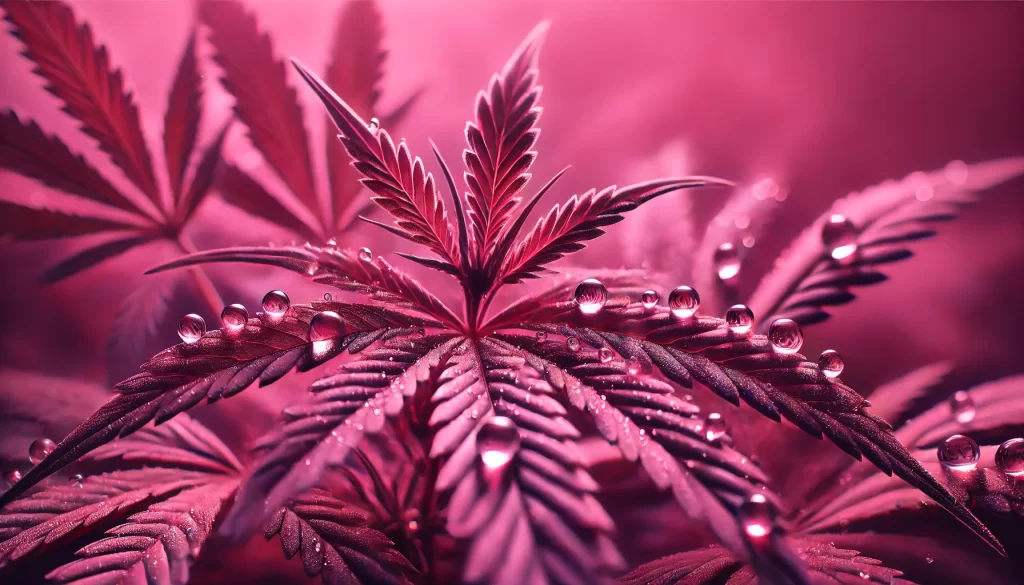
Cannabis Guttation Explained: The Complete Grower’s Guide by Yummy Buds Dispensary
Have you ever entered your cultivation space during the early morning hours and discovered tiny, glistening droplets adorning the margins or apex of your cannabis foliage? If this scenario sounds familiar, you’ve witnessed an intriguing botanical phenomenon known as guttation. But what precisely is this occurrence, and what triggers its manifestation? Whether you’re embarking on your first cultivation journey or you’re a seasoned horticulturist, comprehending cannabis guttation can offer invaluable perspectives on plant vitality and empower you to refine your cultivation methodologies.
In this exhaustive resource from Yummy Buds Dispensary, we’ll examine the scientific principles underlying cannabis guttation, its causative factors, consequences, and strategies for effective management. Additionally, we’ll address frequently posed questions that cultivators commonly have regarding this captivating botanical event. Let’s explore this fascinating topic in depth.
Cannabis Guttation Explained: The Complete Grower’s Guide
Understanding Cannabis Guttation: A Comprehensive Overview
Fundamentally, guttation represents the excretion of aqueous droplets from specialized botanical structures called hydathodes. These droplets characteristically manifest at the terminal points or peripheral edges of foliage and become most conspicuous during the predawn and early morning periods. While this might appear peculiar initially, guttation constitutes a completely natural physiological process that transpires not exclusively in cannabis but throughout numerous plant species across the botanical kingdom.
This phenomenon frequently gets confused with atmospheric condensation (dew) or even cannabinoid-rich resin, yet significant distinctions exist between these substances, which we’ll elucidate momentarily. What renders cannabis guttation particularly noteworthy is its reflection of how your plant orchestrates its internal hydration and nutritional equilibrium. Nevertheless, excessive guttation manifestation could indicate underlying complications such as irrigation surplus or inadequate drainage infrastructure. Identifying the indicators and remedying potential difficulties can prove instrumental in sustaining robust, thriving plants.
At Yummy Buds Dispensary, we’ve observed countless cultivation scenarios, and understanding guttation has helped numerous growers optimize their operations and achieve superior yields.
Differentiating Cannabis Plant Fluids: Guttation, Dew, and Resin
Before we investigate further into the mechanics, let’s establish clarity regarding three distinct fluid types you might encounter on your cannabis specimens:
Guttation Fluid: This involves aqueous droplets expelled through hydathodes resulting from root pressure dynamics. These droplets frequently contain dissolved mineral compounds and carbohydrates, rendering them somewhat viscous or saline when touched.
Atmospheric Dew: Contrasting with guttation, dew materializes when ambient atmospheric moisture condenses upon leaf surfaces, predominantly during cooler nocturnal periods. This moisture originates externally rather than from within the plant’s vascular system.
Cannabinoid-Rich Resin: Synthesized by trichomes on cannabis inflorescences, resin contains abundant concentrations of cannabinoids, including tetrahydrocannabinol (THC) and cannabidiol (CBD). It fulfills an entirely separate biological function and remains unconnected to guttation processes.
Can you now distinguish these substances with confidence? The next occasion you observe droplets on your cultivation, examine them meticulously. What characteristics do they exhibit?
The Physiological Science Underlying Cannabis Guttation
To authentically comprehend cannabis guttation, understanding the physiological mechanisms propelling it becomes essential. Here’s an in-depth analysis of the biological processes involved:
Temporal and Causative Factors of Guttation
Guttation predominantly occurs when substrate moisture reaches saturation levels, and transpiration (the mechanism of water vapor departing the plant through stomata) decelerates, particularly during nocturnal hours or within high-humidity cultivation environments. When these conditions converge, surplus water accumulates within the root system, generating hydrostatic pressure that compels liquid outward through the hydathodes.
For illustration, envision irrigating your cannabis specimens abundantly preceding a humid evening. The convergence of diminished evaporation rates and amplified root absorption capacity can precipitate guttation. Have you documented this correlation within your cultivation facility?
The atmospheric conditions, substrate composition, and irrigation practices all interconnect to influence guttation frequency and intensity. At Yummy Buds Dispensary, we recommend maintaining detailed cultivation logs to identify patterns and optimize your environmental parameters.
The Vascular System: Xylem and Phloem Dynamics in Cannabis Plants
Two fundamental vascular tissue systems execute pivotal functions in plant physiology: xylem and phloem. Throughout guttation, water ascends through the xylem vessels under root pressure, ultimately exiting via the hydathodes. Concurrently, the phloem manages the translocation of photosynthetically produced sugars and other organic compounds throughout the plant structure.
Isn’t it extraordinary how these interconnected biological systems function? Nature demonstrates remarkable precision, guaranteeing plants maintain their physiological equilibrium even under challenging conditions.
Root Pressure Mechanics and Hydathode Function
Root pressure develops when mineral ions actively transport into the root xylem, creating an osmotic gradient that draws water inward. During periods when transpiration diminishes (such as nighttime or high-humidity conditions), this pressure accumulates, forcing xylem sap through hydathodes—specialized pores typically located at leaf margins and tips.
Understanding this mechanism helps Yummy Buds Dispensary clients recognize that guttation represents active physiological processes rather than passive environmental effects.
Identifying Guttation in Your Cannabis Cultivation
Recognizing guttation proves relatively straightforward when you understand the characteristic indicators. Monitor your plants for these distinctive signs:
- Diminutive droplets appearing on leaf apices or margins, especially conspicuous during morning inspections
- Droplets exhibiting sticky or saline tactile properties, indicating dissolved mineral presence
- Consistent manifestation patterns across multiple specimens, suggesting environmental causation rather than pathogenic infection
- Clear or slightly cloudy appearance, distinguishing it from milky resin
- Droplets that evaporate, leaving crystalline residue
If you identify these symptoms, probability suggests you’re observing natural guttation performing its regulatory function. However, continue reading to understand the potential ramifications of this phenomenon and when intervention becomes necessary.
The Multifaceted Impact of Guttation on Cannabis Plants
Like any biological mechanism, guttation exerts both advantageous and potentially detrimental effects on cannabis specimens. Let’s examine these impacts comprehensively.
Beneficial Aspects of Guttation
From a positive perspective, guttation facilitates the regulation of hydration and nutritional concentrations within plant tissues. By releasing surplus water, it prevents complications like root rot caused by prolonged substrate saturation. Additionally, the expelled mineral compounds can occasionally function as a protective barrier against certain pest species and pathogenic organisms.
Have you ever contemplated the remarkable resilience plants demonstrate? Even seemingly minor processes like guttation execute vital functions in their survival and adaptation strategies.
Furthermore, guttation serves as a valuable diagnostic indicator for attentive cultivators. At Yummy Buds Dispensary, we teach growers to interpret guttation patterns as communication from their plants about environmental conditions and care requirements.
Potential Drawbacks and Complications of Excessive Guttation
Conversely, excessive guttation can precipitate various complications. Surplus mineral deposits remaining after water evaporation may induce leaf burn, discoloration, or necrotic spotting. Moreover, persistent guttation could signal that your cultivation conditions require adjustment, such as reducing irrigation frequency, enhancing drainage infrastructure, or modifying humidity levels.
Do you suspect your cannabis plants experience stress from guttation? Dedicate time to comprehensively evaluate their environmental conditions, substrate composition, and irrigation protocols.
Chronic excessive guttation may also create favorable conditions for fungal pathogens or bacterial infections, particularly when droplets remain on foliage for extended periods. The mineral-rich composition of guttation fluid can provide nutrients for microbial colonization if environmental conditions permit.
Long-Term Effects on Plant Health and Development
While occasional guttation poses minimal concern, chronic excessive guttation throughout the cultivation cycle may impact overall plant vigor. The continuous loss of dissolved nutrients through guttation fluid, though typically minimal, can accumulate over time. Additionally, the energy expenditure required to generate root pressure and transport fluids represents a metabolic cost that could otherwise support growth and development.
Yummy Buds Dispensary recommends viewing guttation as one component of holistic plant health assessment rather than an isolated phenomenon.
Cannabis Guttation Fluid: Composition and Properties
Is Guttation Sap Psychoactive or Medicinally Valuable?
One inquiry many cultivators pose concerns whether the sap produced during guttation contains psychoactive compounds like tetrahydrocannabinol (THC) or possesses medicinal properties. The definitive answer is negative. Unlike cannabinoid-rich resin, guttation fluid primarily comprises water and trace quantities of dissolved minerals, amino acids, and simple sugars. It lacks the potency or chemical composition necessary for therapeutic or recreational applications.
That stated, the precise composition of guttation fluid varies depending on the plant’s nutritional uptake, substrate composition, and metabolic state. Could this compositional variability harbor unexplored potential for future scientific investigation? Only continued research will reveal whether guttation fluid contains any compounds of interest beyond basic plant metabolites.
Chemical Analysis of Guttation Droplets
Scientific analysis reveals that guttation fluid typically contains:
- Water (95-99% by volume)
- Dissolved mineral salts (calcium, potassium, magnesium, sodium)
- Simple sugars and carbohydrates
- Amino acids and organic acids
- Trace enzymes and proteins
- pH typically ranges from 5.5 to 7.0
This composition reflects the plant’s nutritional status and can theoretically provide insights into nutrient availability and uptake efficiency, though practical application of this diagnostic approach remains limited in cannabis cultivation.
Cannabis Guttation: Recognizing Normal Versus Problematic Manifestations
While cannabis guttation generally represents harmless physiological activity, monitoring it as an integral component of your comprehensive plant care strategy proves crucial. Occasional guttation indicates normal function, but frequent or excessive occurrences might necessitate closer examination of your cultivation practices.
When Guttation Signals Optimal Conditions
Minimal to moderate guttation, particularly following irrigation or during high-humidity periods, typically indicates:
- Healthy, active root systems with robust absorption capacity
- Adequate hydration and nutrient availability
- Functional vascular transport systems
- Normal metabolic activity
At Yummy Buds Dispensary, we reassure cultivators that observing occasional guttation shouldn’t cause alarm; it demonstrates your plants are actively managing their internal environment.
Warning Signs: When Guttation Indicates Problems
Conversely, excessive or persistent guttation may signal:
- Overwatering or poor drainage leading to waterlogged substrate
- Excessive humidity levels inhibit transpiration
- Inadequate air circulation around plants
- Nutrient imbalances, particularly excess nitrogen
- Root zone temperature issues
- Compacted or poorly aerated growing medium
Remember, thriving plants are content plants! Addressing environmental factors promptly prevents minor issues from escalating into significant cultivation challenges.
Effective Management Strategies for Cannabis Guttation
Optimizing Irrigation Practices
The most effective approach to managing guttation involves refining your watering regimen:
- Implement irrigation scheduling based on substrate moisture levels rather than fixed intervals
- Water earlier in the day to allow excess moisture to dissipate before nighttime
- Reduce individual watering volume while potentially increasing frequency
- Ensure containers provide adequate drainage holes
- Consider substrate amendments that improve drainage (perlite, pumice, rice hulls)
Yummy Buds Dispensary recommends investing in quality moisture meters to precisely determine when irrigation becomes necessary rather than relying on visual assessment or fixed schedules.
Environmental Control Modifications
Adjusting your cultivation environment can significantly reduce excessive guttation:
Humidity Management: Maintain relative humidity between 40-60% during vegetative growth and 40-50% during flowering. Utilize dehumidifiers when ambient humidity exceeds optimal ranges.
Air Circulation: Install oscillating fans to promote continuous air movement around all plant surfaces, facilitating transpiration and preventing moisture accumulation.
Temperature Regulation: Maintain appropriate temperature differentials between day and night cycles (typically 5-10°F difference) to encourage normal transpiration patterns.
Lighting Considerations: Ensure adequate light intensity and appropriate photoperiods to support robust transpiration during active growth periods.
Substrate and Drainage Improvements
The growing medium significantly influences guttation frequency:
- Select well-draining substrate formulations specifically designed for cannabis cultivation
- Incorporate drainage-enhancing amendments (perlite 20-30% by volume)
- Avoid substrate compaction through gentle handling and appropriate container selection
- Consider fabric containers that promote air pruning and enhanced drainage
- Ensure saucers or trays don’t allow plants to sit in standing water
Nutritional Considerations
While less directly related to guttation, nutrient management influences overall plant water relations:
- Avoid excessive nitrogen levels that promote lush, water-retentive foliage
- Maintain balanced nutrition appropriate to the growth stage
- Monitor electrical conductivity (EC) to prevent excessive salt accumulation
- Implement periodic substrate flushing to remove accumulated mineral salts
At Yummy Buds Dispensary, we’ve developed comprehensive cultivation protocols that address all these factors holistically, ensuring optimal plant health and minimizing problematic guttation.
Frequently Asked Questions About Cannabis Guttation
Here are detailed responses to commonly posed questions regarding cannabis guttation:
What Triggers Cannabis Guttation?
Guttation occurs due to root pressure, which propels water and dissolved mineral compounds outward through hydathodes when transpiration rates diminish or cease. This typically happens during nocturnal periods, high-humidity conditions, or when substrate moisture significantly exceeds plant water demand.
Is Guttation Beneficial or Detrimental?
It’s neither inherently advantageous nor harmful. Moderate guttation represents normal physiological function, but excessive guttation could indicate overwatering, inadequate drainage, or environmental imbalances requiring correction.
What Underlying Reason Causes Guttation?
The fundamental cause involves an imbalance between water absorption and evaporation, frequently precipitated by environmental variables including humidity levels, temperature, substrate saturation, and reduced transpiration during darkness or cloudy conditions.
What Advantages Does Guttation Provide?
Benefits encompass regulating hydration and nutritional concentrations, preventing root zone waterlogging, and potentially deterring certain pest species through mineral-rich surface deposits.
Does Guttation Definitively Indicate Overwatering?
Not necessarily in all cases, but it frequently serves as an indicator of excessively saturated substrate. Evaluate your irrigation schedule, drainage system efficiency, and environmental humidity levels to determine the specific cause.
How Can You Prevent or Minimize Guttation?
Enhance drainage infrastructure, reduce irrigation frequency and volume, ensure adequate air circulation around plants, manage humidity levels appropriately, and verify that your substrate composition promotes efficient water movement.
Does Root Pressure Directly Cause Guttation?
Affirmatively, root pressure serves as the primary driving force behind guttation. When transpiration ceases or slows dramatically, continued water and mineral uptake by roots creates positive pressure that forces xylem sap through hydathodes.
Can Guttation Inflict Leaf Damage?
In uncommon circumstances, mineral deposits from guttation can cause leaf burn, discoloration, or necrotic spotting, particularly when droplets evaporate, leaving concentrated salt residues. Additionally, persistent moisture on leaf surfaces may create favorable conditions for fungal or bacterial pathogens.
Does Guttation Occur in All Cannabis Varieties?
While all cannabis plants possess the physiological capacity for guttation, manifestation frequency and intensity vary among cultivars based on genetic factors, leaf morphology, hydathode density, and individual plant vigor.
Can Guttation Affect Final Product Quality?
Guttation itself doesn’t directly impact cannabinoid or terpene production. However, the underlying conditions causing excessive guttation (overwatering, poor drainage, environmental imbalances) can negatively affect overall plant health, potentially reducing yield and quality.
Should I Remove Guttation Droplets from Leaves?
Generally unnecessary for occasional guttation. However, if excessive droplets persist or you’re concerned about pathogen development, gently blotting them with clean, absorbent material during morning inspections can provide peace of mind without harming plants.
How Does Guttation Differ Between Growth Stages?
Guttation may occur throughout all growth phases, but often appears more pronounced during vigorous vegetative growth when plants exhibit robust root development and high metabolic activity. During flowering, guttation typically decreases as plants redirect resources toward reproductive development.
Advanced Considerations for Professional Cultivators
Guttation as a Diagnostic Tool
Experienced cultivators at Yummy Buds Dispensary have learned to interpret guttation patterns as valuable diagnostic information:
- Frequency: Occasional guttation suggests normal function; daily occurrence indicates environmental adjustment needs
- Volume: Minimal droplets are normal; large, persistent droplets suggest excessive substrate moisture
- Distribution: Uniform guttation across all plants suggests environmental causes; isolated occurrence may indicate individual plant issues or localized drainage problems
- Timing: Guttation exclusively during early morning is normal; persistence throughout the day indicates a significant imbalance
Strain-Specific Guttation Tendencies
Different cannabis genetics exhibit varying propensities for guttation based on:
- Leaf morphology and surface area
- Hydathode density and distribution
- Root system vigor and architecture
- Overall metabolic rate and growth patterns
- Ancestral adaptation to specific climate conditions
Indica-dominant varieties with broader leaves and denser foliage may exhibit more noticeable guttation compared to sativa-dominant cultivars with narrower, more spaced foliage that facilitates better air circulation.
Commercial Cultivation Considerations
Large-scale operations face unique challenges regarding guttation management:
- Uniformity: Ensuring consistent environmental conditions across extensive canopy areas
- Monitoring: Implementing systematic inspection protocols to identify guttation patterns
- Automation: Utilizing environmental control systems that automatically adjust humidity, temperature, and air circulation
- Documentation: Recording guttation observations as part of comprehensive cultivation data for continuous improvement
Yummy Buds Dispensary works with commercial cultivators to develop standard operating procedures that address guttation as one component of holistic environmental management.
Conclusion: Mastering Cannabis Guttation for Cultivation Excellence
Understanding cannabis guttation represents a valuable advancement toward becoming a more knowledgeable and effective cultivator. From identifying guttation droplets to recognizing their implications for plant health, every piece of knowledge brings you closer to mastering the sophisticated art and science of cannabis cultivation.
Guttation, while sometimes concerning to novice growers, typically represents normal plant physiology rather than a crisis requiring immediate intervention. By understanding the mechanisms underlying this phenomenon, you can distinguish between harmless natural processes and genuine cultivation issues requiring correction.
The key takeaways from this comprehensive guide include:
- Recognition: Accurately identifying guttation and distinguishing it from dew or resin
- Understanding: Comprehending the physiological processes that cause guttation
- Assessment: Evaluating whether guttation levels indicate normal function or problematic conditions
- Management: Implementing appropriate environmental and cultural modifications when necessary
- Monitoring: Incorporating guttation observation into regular plant health assessments
At Yummy Buds Dispensary, we believe that educated cultivators produce superior cannabis. Whether you’re growing for personal use or operating a commercial facility, understanding every aspect of plant physiology, including seemingly minor phenomena like guttation, contributes to your overall success.
Now that you’ve acquired comprehensive knowledge about cannabis guttation, we’d genuinely appreciate hearing from you! Have you observed this phenomenon in your cultivation? What strategies have you implemented to address it? What questions remain unanswered? Please share your experiences in the comments below or join our Yummy Buds Dispensary community forum to connect with fellow cultivators, exchange insights, and continue your cultivation education journey.
Remember, successful cultivation results from continuous learning, careful observation, and thoughtful adjustment of practices based on how your plants respond. Guttation represents just one of countless fascinating aspects of cannabis biology that, when properly understood, empowers you to create optimal growing conditions and achieve exceptional results.
Visit Yummy Buds Dispensary for more expert cultivation guidance, premium genetics, and a community of passionate growers dedicated to excellence in cannabis cultivation. Together, we’re cultivating knowledge, quality, and success, one plant at a time.