
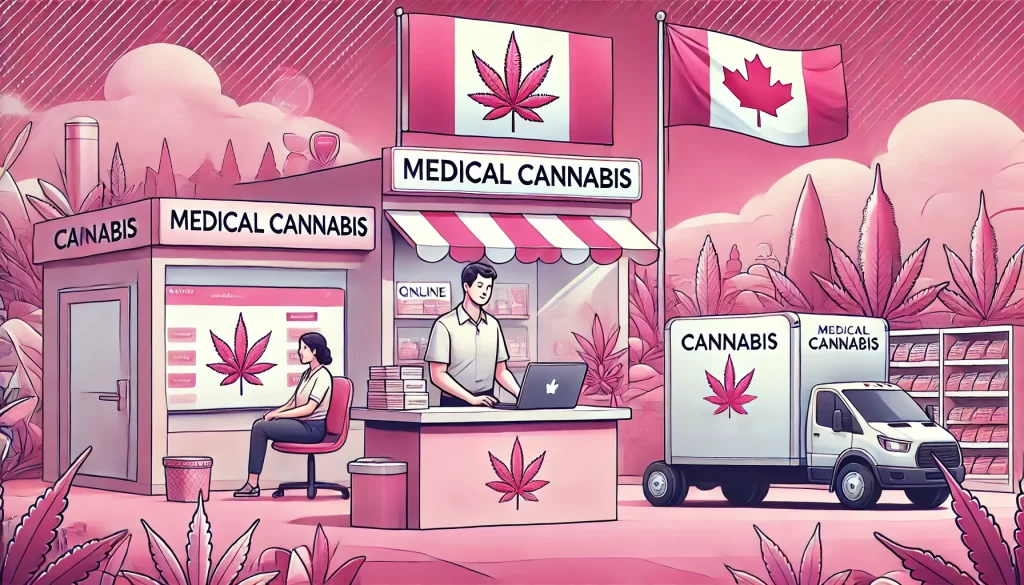
The Ultimate Guide to Purchasing Medical Cannabis in Canada: Comprehensive Methods and Available Options
Medical cannabis in Canada has emerged as a transformative therapeutic solution for patients managing an extensive range of health conditions and chronic ailments. Since the nationwide legalization of cannabis for medicinal purposes, Canadians now enjoy unprecedented access to diverse, high-quality cannabis-based treatments that were previously unavailable or difficult to obtain.
Throughout this comprehensive guide, Yummy Buds Dispensary will empower you to navigate the medical cannabis landscape with complete confidence. We’ll explore every facet of the legal framework, qualification criteria, procurement methods, quality assurance practices, and essential considerations for accessing medical cannabis in Canada.
The Ultimate Guide to Buying Weed in Canada
Understanding Medical Cannabis: Definition and Therapeutic Applications
Medical cannabis refers to cannabis products that have been prescribed or recommended by qualified healthcare professionals for the treatment of specific medical conditions, symptoms, or health concerns. Unlike recreational cannabis, medical cannabis is utilized with therapeutic intent and is typically accompanied by professional medical guidance.
Medical cannabis is available in numerous formulations and delivery methods, including:
- Dried flower (for vaporization or smoking)
- Cannabis oils and tinctures (for sublingual or oral administration)
- Capsules and softgels (for precise, convenient dosing)
- Edibles (including beverages, baked goods, and confections)
- Topical preparations (creams, balms, and transdermal patches)
- Concentrates and extracts (for experienced patients requiring higher potency)
The therapeutic potential of cannabis stems primarily from its principal active compounds: THC (tetrahydrocannabinol) and CBD (cannabidiol). These cannabinoids interact with your body’s endocannabinoid system, a complex network of receptors throughout the nervous system, immune system, and various organs, to produce a wide spectrum of therapeutic effects. These benefits may include pain relief, inflammation reduction, anxiety management, appetite stimulation, nausea suppression, muscle relaxation, and neuroprotective properties.
At Yummy Buds Dispensary, we understand that each patient’s needs are unique, which is why we’re committed to helping you find the optimal cannabis formulation and delivery method for your specific condition.
The Legal Framework and Eligibility Requirements for Accessing Medical Cannabis in Canada
The Cannabis Act and Regulatory Structure
The Cannabis Act, which came into force throughout Canada on October 17, 2018, established the comprehensive legal framework governing access to cannabis for all purposes, including medical and recreational use. This landmark legislation replaced previous regulations and created a unified approach to cannabis regulation across the country.
While the Cannabis Act governs both medical and recreational cannabis, medical cannabis remains subject to distinct regulations that recognize its therapeutic nature and the special needs of patients. The Access to Cannabis for Medical Purposes Regulations (ACMPR) specifically address medical cannabis, allowing qualified patients to:
- Access cannabis through federally licensed producers
- Obtain authorization for personal cultivation
- Designate another individual to grow cannabis on their behalf
This regulatory framework ensures that patients have safe, legal, and reliable access to medical cannabis while maintaining appropriate oversight and quality standards.
Eligibility Requirements for Medical Cannabis Access
To legally access medical cannabis in Canada, patients must satisfy the following requirements:
1. Obtain a Medical Document: A licensed physician or nurse practitioner must provide you with a medical document (not a traditional prescription) that authorizes your use of cannabis for medical purposes. This document must specify:
- Your daily quantity of cannabis (in grams)
- The duration of authorization (up to one year)
- Any specific product recommendations or restrictions
2. Have a Qualifying Medical Condition: While Canada does not maintain a restrictive list of qualifying conditions, your healthcare provider must determine that cannabis therapy may benefit your specific medical situation. The decision is based on clinical judgment, your medical history, and evidence of potential therapeutic benefit.
3. Register with a Licensed Source: Once you have your medical document, you must register with a licensed producer, pharmacy, or apply for a personal cultivation license to legally obtain your medicine.
Yummy Buds Dispensary works closely with healthcare providers and patients to streamline this process and ensure you have all the documentation and support needed to access your medicine legally and conveniently.
Medical Conditions Commonly Treated with Cannabis Therapy
Medical cannabis has demonstrated therapeutic potential for a remarkably diverse array of conditions. While research continues to expand our understanding of cannabis medicine, the following conditions are among those most commonly treated:
Pain Management
- Chronic pain syndromes
- Neuropathic pain
- Arthritis and inflammatory pain
- Fibromyalgia
- Migraine and headache disorders
- Cancer-related pain
Mental Health Conditions
- Anxiety disorders (including generalized anxiety, social anxiety, and panic disorder)
- Depression and mood disorders
- Post-Traumatic Stress Disorder (PTSD)
- Obsessive-Compulsive Disorder (OCD)
Neurological Conditions
- Multiple sclerosis (MS) and associated spasticity
- Epilepsy and seizure disorders
- Parkinson’s disease
- Alzheimer’s disease and dementia
- Tourette syndrome
Gastrointestinal Conditions
- Inflammatory Bowel Disease (Crohn’s disease and ulcerative colitis)
- Irritable Bowel Syndrome (IBS)
- Nausea and vomiting (particularly chemotherapy-induced)
- Appetite loss and cachexia
Sleep Disorders
- Insomnia
- Sleep apnea
- Restless leg syndrome
Other Conditions
- Glaucoma
- HIV/AIDS-related symptoms
- Cancer and cancer treatment side effects
- Palliative care applications
At Yummy Buds Dispensary, our knowledgeable team can help you understand which cannabis products and formulations may be most appropriate for your specific condition.
Comprehensive Methods for Purchasing Medical Cannabis in Canada
Canada offers multiple pathways for obtaining medical cannabis, each with distinct advantages, considerations, and processes. Understanding these options will help you choose the method that best suits your needs, preferences, and circumstances.
1. Licensed Producers (LPs): The Primary Access Point
Licensed Producers are federally authorized companies that have received approval from Health Canada to cultivate, process, and distribute medical cannabis. This represents the most common and straightforward method for obtaining medical cannabis in Canada.
Step-by-Step Process for Purchasing from a Licensed Producer:
Step 1: Medical Consultation and Documentation
Schedule an appointment with your physician or nurse practitioner to discuss whether medical cannabis is appropriate for your condition. If they determine it may be beneficial, they will provide you with a medical document authorizing your use of cannabis.
Step 2: Research and Select a Licensed Producer
Explore different licensed producers to find one that offers the products, strains, and services that align with your needs. Consider factors such as:
- Product variety and availability
- Pricing and compassionate pricing programs
- Customer service reputation
- Educational resources
- Shipping policies and delivery times
Step 3: Complete Registration
Visit your chosen LP’s website and complete their registration process. You’ll need to:
- Create an account
- Upload or mail your medical document
- Provide identification
- Complete any required forms
Step 4: Browse and Order Products
Once your registration is approved (typically within 1-3 business days), you can browse the LP’s product catalog and place orders directly through their secure online platform.
Step 5: Receive Discreet Home Delivery
Your order will be shipped directly to your address in discreet, secure packaging via Canada Post or courier service.
Advantages of Purchasing from Licensed Producers:
- Extensive Product Selection: Access to hundreds of strains and product formats, including exclusive genetics and specialized formulations
- Guaranteed Quality and Safety: All products are subject to rigorous Health Canada testing and quality control standards
- Convenience: Order from home 24/7 with direct delivery to your door
- Consistent Supply: Reliable inventory and availability
- Professional Support: Access to patient care teams and educational resources
- Legal Compliance: Complete peace of mind knowing your medicine is obtained through legal channels
Considerations When Using Licensed Producers:
- Product Limitations: You’re restricted to the inventory of your chosen LP (though you can register with multiple LPs)
- Delivery Timeframes: Shipping typically takes 2-5 business days, which may not suit urgent needs
- Price Variations: Costs can vary significantly between producers
- No Physical Inspection: You cannot examine products before purchase
Yummy Buds Dispensary maintains relationships with multiple licensed producers, allowing us to help you navigate the selection process and find the LP that best meets your specific requirements.
2. Medical Cannabis Clinics: Comprehensive Patient Support
Medical cannabis clinics are specialized healthcare facilities dedicated to helping patients access and optimize their medical cannabis treatment. These clinics employ physicians, nurse practitioners, and cannabis educators who focus specifically on cannabis medicine.
How Medical Cannabis Clinics Operate:
Step 1: Schedule Your Initial Consultation
Book an appointment with a medical cannabis clinic. Many clinics offer virtual consultations via telemedicine platforms, making access convenient regardless of your location.
Step 2: Comprehensive Medical Assessment
During your consultation, the healthcare professional will:
- Review your medical history and current conditions
- Discuss your symptoms and treatment goals
- Evaluate whether cannabis therapy is appropriate
- Provide education about cannabis medicine
- Issue a medical document if cannabis is deemed suitable
Step 3: Personalized Treatment Planning
The clinic will help you develop a customized treatment plan, including:
- Recommended cannabinoid ratios (THC: CBD)
- Suggested product formats
- Dosing protocols and titration schedules
- Potential drug interactions and precautions
Step 4: Licensed Producer Selection and Registration
Clinic staff will assist you in selecting an appropriate licensed producer from their network and guide you through the registration process, often handling much of the paperwork on your behalf.
Step 5: Ongoing Follow-Up and Adjustment
Most clinics provide follow-up appointments to monitor your progress, adjust your treatment plan, and address any concerns or side effects.
Advantages of Using Medical Cannabis Clinics:
- Specialized Expertise: Healthcare providers with focused knowledge of cannabis medicine
- Comprehensive Support: Guidance throughout your entire treatment journey
- Personalized Treatment Plans: Customized recommendations based on your unique needs
- Educational Resources: Access to workshops, materials, and ongoing education
- Simplified Process: Assistance with documentation and registration
- Network Access: Connections to multiple licensed producers
- Follow-Up Care: Ongoing monitoring and treatment optimization
Considerations for Medical Cannabis Clinics:
- Consultation Fees: Many clinics charge for initial and follow-up appointments (typically $100-$300 for initial consultations)
- Limited LP Networks: Some clinics have exclusive relationships with specific licensed producers
- Appointment Availability: Wait times for appointments can vary
- Geographic Limitations: Physical clinic locations may not be convenient for all patients (though telemedicine has expanded access)
Yummy Buds Dispensary can connect you with reputable medical cannabis clinics in your area or recommend telemedicine options that serve patients across Canada.
3. Pharmacies: Traditional Healthcare Integration
As of 2023, an increasing number of pharmacies across Canada have begun offering medical cannabis through a prescription-based model, integrating cannabis medicine into the traditional pharmacy setting.
The Pharmacy Process for Medical Cannabis:
Step 1: Obtain a Prescription
Visit your regular physician to discuss medical cannabis and obtain a prescription (note that this differs slightly from the medical document used with licensed producers).
Step 2: Locate a Participating Pharmacy
Find a pharmacy in your area that offers medical cannabis services. Not all pharmacies provide this service, so you may need to call ahead or check online.
Step 3: Fill Your Prescription
Bring your prescription to the pharmacy, where a licensed pharmacist will:
- Review your prescription and medical history
- Counsel you on proper use and dosing
- Check for potential drug interactions
- Dispense your medical cannabis products
Step 4: Ongoing Pharmacy Support
Return to the pharmacy for refills and ongoing consultation with your pharmacist.
Advantages of Pharmacy-Based Access:
- Professional Pharmaceutical Expertise: Pharmacists can provide valuable insights on drug interactions and medication management
- Familiar Healthcare Setting: Comfortable environment for those accustomed to traditional pharmacy services
- Integrated Care: Cannabis medicine managed alongside your other medications
- Immediate Access: No waiting for delivery; take your medicine home the same day
- Face-to-Face Consultation: Direct interaction with healthcare professionals
Considerations for Pharmacy Access:
- Limited Availability: Relatively few pharmacies currently offer medical cannabis
- Restricted Product Selection: Pharmacies typically carry a smaller range of products compared to licensed producers
- Potentially Higher Costs: Pharmacy pricing may be higher than direct-from-LP pricing
- Geographic Constraints: Requires a participating pharmacy in your area
- Inventory Limitations: Pharmacies may not always have your preferred products in stock
Yummy Buds Dispensary stays informed about pharmacy partners in various regions and can help you determine if this option is available and appropriate for your situation.
4. Compassion Clubs: Community-Based Access
Compassion clubs are non-profit, community-based organizations that have been providing medical cannabis to patients since before legalization. While they operate in a legal gray area under current regulations, many patients value their personalized approach and community atmosphere.
How Compassion Clubs Function:
Step 1: Membership Application
Contact a compassion club in your area and inquire about membership. You’ll typically need to provide:
- A medical document or doctor’s note confirming your condition
- Identification
- Membership fees (if applicable)
Step 2: In-Person Registration
Visit the club’s physical location to complete your registration and meet with staff who will discuss your needs and treatment goals.
Step 3: Product Selection and Purchase
Once registered, you can visit the club to browse and purchase medical cannabis products directly. Staff members often provide personalized recommendations and education.
Step 4: Ongoing Community Engagement
Many compassion clubs offer support groups, educational events, and community activities for members.
Advantages of Compassion Clubs:
- Personalized Service: One-on-one attention and relationship-building with knowledgeable staff
- Community Support: Connection with other patients and a supportive environment
- Diverse Product Selection: Often including craft cannabis, organic options, and unique strains
- Immediate Access: Take products home immediately without waiting for delivery
- Compassionate Pricing: Many clubs offer sliding-scale pricing for patients with financial constraints
- Educational Focus: Emphasis on patient education and empowerment
Important Considerations for Compassion Clubs:
- Legal Ambiguity: Compassion clubs operate outside the federally regulated system, which may present legal risks
- Regulatory Uncertainty: Products may not be subject to the same testing and quality control as licensed producer products
- Limited Locations: Compassion clubs are not available in all areas
- Membership Requirements: Some clubs have strict membership criteria or waiting lists
- Potential Legal Risks: While enforcement is rare, purchasing from unlicensed sources technically violates federal regulations
Yummy Buds Dispensary recognizes the historical importance of compassion clubs in the medical cannabis movement while encouraging patients to prioritize legal, regulated sources for their medicine.
5. Personal Cultivation: Growing Your Own Medicine
The Cannabis Act and ACMPR regulations grant qualified medical cannabis patients the right to cultivate their own medicine, either personally or through a designated grower. This option appeals to patients who want complete control over their medicine’s production and quality.
The Personal Cultivation Process:
Step 1: Obtain a Medical Document
Secure a medical document from your healthcare provider that specifies your daily quantity of cannabis.
Step 2: Apply for a Personal or Designated Production License
Submit an application to Health Canada that includes:
- Your medical document
- Proof of identity
- Site details where cultivation will occur
- Security measures and growing plan
- Application fees
Step 3: Receive Health Canada Approval
Health Canada will review your application and, if approved, issue a registration certificate specifying:
- The number of plants you’re authorized to grow (based on your daily quantity)
- The amount of dried cannabis you can store
- The duration of your authorization
Step 4: Establish Your Growing Operation
Set up your cultivation space with appropriate:
- Lighting systems
- Ventilation and climate control
- Growing medium and nutrients
- Security measures
- Compliance with local bylaws and regulations
Step 5: Cultivate and Harvest
Grow your cannabis plants according to best practices, harvest when mature, and properly cure and store your medicine.
Advantages of Personal Cultivation:
- Complete Control: Full oversight of growing methods, nutrients, and quality standards
- Cost Savings: Significant long-term savings after initial setup investment
- Strain Selection: Ability to grow specific strains that work best for your condition
- Organic Options: Choice to use organic, pesticide-free growing methods
- Self-Sufficiency: Independence from supply chain disruptions
- Therapeutic Activity: Many patients find the growing process itself therapeutic
Considerations for Personal Cultivation:
- Initial Investment: Significant upfront costs for equipment, supplies, and setup ($500-$5,000+)
- Learning Curve: Requires knowledge of cultivation techniques, plant care, and problem-solving
- Time Commitment: Growing cannabis is labor-intensive and time-consuming
- Space Requirements: Need for a dedicated growing space with appropriate conditions
- Legal Compliance: Must adhere to plant counts, storage limits, and security requirements
- Local Restrictions: Some municipalities and landlords prohibit home cultivation
- Quality Variability: Results depend on skill and experience; early harvests may not meet expectations
Yummy Buds Dispensary offers cultivation consulting services, educational resources, and growing supplies to support patients who choose the personal cultivation pathway.
6. Online Dispensaries: Digital Convenience and Selection
Online dispensaries have revolutionized medical cannabis access by offering unprecedented convenience, extensive product selection, and direct-to-door delivery. However, it’s crucial to distinguish between legal, licensed online sources and unlicensed gray-market operations.
Legal Online Dispensary Operations:
Licensed Producer Websites: The only fully legal online dispensaries for medical cannabis are the websites operated by federally licensed producers. These platforms offer:
- Complete product catalogs with detailed descriptions
- Lab testing results and cannabinoid profiles
- Secure ordering systems
- Discreet home delivery
- Customer support and educational resources
Provincial Retail Platforms: Some provinces operate online platforms for recreational cannabis that may also serve medical patients with appropriate documentation.
The Online Ordering Process:
Step 1: Registration
Complete the registration process with your chosen licensed producer’s online platform, submitting your medical document and identification.
Step 2: Browse Products
Explore the extensive product catalog, filtering by:
- Product type (flower, oils, edibles, etc.)
- Cannabinoid content (THC, CBD, or balanced)
- Price range
- Strain characteristics
- Customer reviews
Step 3: Add to Cart and Checkout
Select your desired products, add them to your cart, and proceed through the secure checkout process.
Step 4: Payment
Complete payment using accepted methods (typically credit card, debit, or e-transfer).
Step 5: Track Delivery
Receive tracking information and monitor your order’s progress until it arrives at your door.
Advantages of Online Dispensaries:
- Unmatched Convenience: Shop anytime, anywhere with internet access
- Extensive Selection: Access to hundreds of products and strains
- Detailed Information: Comprehensive product descriptions, lab results, and customer reviews
- Discreet Delivery: Private, secure shipping directly to your address
- Price Comparison: Easy to compare prices across products
- Educational Resources: Access to articles, videos, and dosing guides
- Customer Reviews: Learn from other patients’ experiences
- Automatic Reordering: Set up recurring orders for a consistent supply
Considerations for Online Dispensaries:
- No Physical Inspection: Cannot see, smell, or examine products before purchase
- Delivery Wait Times: Typically 2-5 business days for delivery
- Shipping Restrictions: Some remote areas may have limited delivery options
- Age Verification: Must be present to receive delivery and provide ID
- Product Availability: Popular items may sell out
- Gray-Market Risks: Unlicensed online dispensaries may offer products that don’t meet safety standards
Yummy Buds Dispensary exclusively partners with licensed producers to ensure that all online orders meet Health Canada’s rigorous quality and safety standards.
Ensuring Quality and Safety: Essential Guidelines for Medical Cannabis
The quality and safety of your medical cannabis directly impact both its therapeutic effectiveness and your overall health. Following these guidelines will help you access safe, high-quality medicine:
Verify Licensing and Regulatory Compliance
Check Health Canada Licensing: Always confirm that your cannabis source is licensed by Health Canada. You can verify licensed producers on the Health Canada website.
Look for License Numbers: Legitimate products will display the producer’s license number on packaging.
Avoid Unlicensed Sources: Gray-market dispensaries and unlicensed online retailers may offer products that haven’t undergone proper testing or quality control.
Examine Lab Testing and Quality Assurance
Request Lab Results: Reputable producers provide third-party lab testing results showing:
- Cannabinoid content (THC, CBD, and other cannabinoids)
- Terpene profiles
- Contaminant testing (pesticides, heavy metals, microbial contaminants)
- Moisture content and water activity
Understand Testing Standards: Health Canada requires licensed producers to test for:
- Potency accuracy
- Pesticide residues
- Microbial contamination (bacteria, mold, fungi)
- Heavy metals
- Mycotoxins
- Residual solvents (for extracts)
Check Packaging Dates: Ensure products are fresh and haven’t exceeded their recommended shelf life.
Research Producer Reputation
Read Customer Reviews: Investigate what other patients say about:
- Product quality and consistency
- Customer service responsiveness
- Shipping reliability
- Accuracy of cannabinoid content
- Overall satisfaction
Investigate Company History: Research the producer’s track record, including:
- Years in operation
- Any regulatory violations or recalls
- Industry awards or recognition
- Transparency and communication practices
Assess Customer Support: Quality producers offer:
- Knowledgeable patient care teams
- Responsive customer service
- Educational resources
- Clear return and refund policies
Proper Storage and Handling
Follow Storage Guidelines: Maintain product quality by:
- Storing in cool, dark, dry locations
- Keeping products in original packaging
- Using airtight containers for opened products
- Avoiding exposure to heat, light, and moisture
- Refrigerating certain products (oils, edibles) as recommended
Monitor Expiration Dates: Use products before expiration to ensure optimal potency and safety.
Practice Hygiene: Handle products with clean hands and use clean consumption devices.
Start Low and Go Slow
Begin with Low Doses: Especially if you’re new to cannabis, start with minimal doses and gradually increase until you find your optimal therapeutic dose.
Track Your Experience: Keep a journal documenting:
- Products used and doses
- Time of consumption
- Effects experienced
- Duration of effects
- Any side effects
Consult Healthcare Providers: Regularly discuss your cannabis use with your healthcare provider to optimize your treatment plan.
Yummy Buds Dispensary is committed to quality assurance and patient safety, offering only products from licensed producers that meet or exceed Health Canada’s stringent standards.
Insurance Coverage for Medical Cannabis in Canada
Understanding the financial aspects of medical cannabis is crucial for long-term treatment planning. Here’s what you need to know about insurance coverage:
Provincial Health Plans
Limited Public Coverage: Medical cannabis is not covered by provincial health insurance plans (such as OHIP in Ontario, MSP in British Columbia, or Medicare in other provinces).
Exception for Specific Products: Some provinces may cover specific pharmaceutical cannabis products (like Sativex) under exceptional circumstances, but this is rare and requires special authorization.
Private Insurance Coverage
Growing Coverage Options: An increasing number of private insurance providers now offer partial or full coverage for medical cannabis, including:
- Major insurance companies (Sun Life, Manulife, Great-West Life, etc.)
- Union and association health plans
- Employee benefit programs
- Veterans Affairs Canada (for eligible veterans)
Coverage Variations: Insurance coverage for medical cannabis varies widely:
- Annual Limits: Typically $1,500-$8,000 per year
- Daily Limits: Some plans cap daily quantities
- Product Restrictions: Coverage may be limited to specific product formats (often oils and capsules rather than dried flowers)
- Reimbursement Rates: Usually 80-100% of eligible costs
Steps to Determine Your Coverage
Step 1: Review Your Policy
Carefully examine your insurance policy documents or benefits booklet for information about medical cannabis coverage.
Step 2: Contact Your Insurer
Call your insurance provider’s customer service line to:
- Confirm whether medical cannabis is covered
- Understand coverage limits and restrictions
- Learn about the claims submission process
- Determine if pre-authorization is required
Step 3: Obtain Required Documentation
Gather necessary documents for claims submission:
- Medical document from your healthcare provider
- Receipts from your licensed producer
- Completed claim forms
- Any additional documentation required by your insurer
Step 4: Submit Claims
Follow your insurer’s claims process, which may involve:
- Online submission through a benefits portal
- Mailing physical claim forms and receipts
- Direct billing arrangements with some licensed producers
Step 5: Track Reimbursements
Monitor your claims and maintain records of:
- Submission dates
- Claim numbers
- Reimbursement amounts
- Remaining annual coverage
Tax Deductions for Medical Cannabis
Medical Expense Tax Credit: Even without insurance coverage, you may be able to claim medical cannabis expenses on your income tax return as medical expenses if:
- You have a valid medical document
- You purchased from a licensed producer
- You maintain proper receipts and documentation
Consult a Tax Professional: Speak with an accountant or tax advisor to understand how to properly claim medical cannabis expenses.
Yummy Buds Dispensary can provide the documentation and receipts you need for insurance claims and tax deductions, and we can help you navigate the insurance coverage landscape.
Traveling with Medical Cannabis in Canada
Understanding the rules for traveling with medical cannabis ensures you remain compliant with regulations while maintaining access to your medicine.
Domestic Travel Within Canada
Air Travel: You can fly within Canada with medical cannabis if you:
- Carry a copy of your medical document
- Keep cannabis in its original packaging from a licensed producer
- Do not exceed your prescribed daily quantity multiplied by the number of days you’ll be traveling (up to 30 days)
- Follow airline-specific policies (check with your carrier)
- Store cannabis in carry-on luggage (recommended) or checked baggage
Ground Travel: When traveling by car, train, or bus within Canada:
- Carry your medical document
- Keep products in original packaging
- Store cannabis securely
- Be aware that some provinces have restrictions on cannabis in vehicles
Accommodation: While you can possess medical cannabis in hotels and other accommodations, consumption may be restricted. Check property policies before consuming.
International Travel
Strict Prohibition: It is illegal to transport cannabis across Canadian borders, even to jurisdictions where cannabis is legal (such as U.S. states with legal cannabis programs).
Severe Penalties: Attempting to cross borders with cannabis can result in:
- Criminal charges
- Fines and imprisonment
- Travel bans
- Seizure of cannabis and other property
Alternative Options: If you need medical cannabis while traveling internationally:
- Research the destination country’s medical cannabis laws
- Obtain local medical authorization if possible
- Consider alternative medications for your trip
- Consult with your healthcare provider about travel plans
Yummy Buds Dispensary can guide traveling with medical cannabis and help you plan for trips while maintaining access to your medicine.
Choosing the Right Cannabis Products and Strains
Selecting appropriate cannabis products is crucial for achieving optimal therapeutic outcomes. Here’s how to make informed choices:
Understanding Cannabinoid Profiles
THC-Dominant Products:
- Best for: Pain relief, appetite stimulation, nausea, insomnia
- Considerations: May cause intoxication, impairment, and psychoactive effects
- Typical ratios: 15-30% THC, <1% CBD
CBD-Dominant Products:
- Best for: Anxiety, inflammation, seizures, pain (without intoxication)
- Considerations: Non-intoxicating, minimal side effects
- Typical ratios: <1% THC, 10-20% CBD
Balanced Products (THC: CBD):
- Best for: Comprehensive symptom management with reduced intoxication
- Considerations: CBD may moderate THC’s psychoactive effects
- Common ratios: 1:1, 2:1, or 1:2 (THC:CBD)
Product Format Selection
Dried Flower:
- Advantages: Fast onset, full entourage effect, cost-effective
- Disadvantages: Requires inhalation, dosing is less precise
- Best for: Experienced patients, acute symptom relief
Oils and Tinctures:
- Advantages: Precise dosing, discreet, no inhalation, long shelf life
- Disadvantages: Slower onset (30-90 minutes), taste may be unpleasant
- Best for: New patients, consistent daily dosing, sublingual administration
Capsules:
- Advantages: Precise dosing, discreet, familiar format, no taste
- Disadvantages: Slower onset, less flexible dosing
- Best for: Patients preferring traditional medication formats
Edibles:
- Advantages: Long-lasting effects, no inhalation, enjoyable consumption
- Disadvantages: Very slow onset (1-3 hours), difficult to dose, intense effects
- Best for: Chronic conditions requiring sustained relief
Topicals:
- Advantages: Localized relief, no systemic effects, no intoxication
- Disadvantages: Limited to surface-level conditions
- Best for: Arthritis, muscle pain, skin conditions
Vaporizers:
- Advantages: Fast onset, reduced harmful byproducts compared to smoking, precise temperature control
- Disadvantages: Requires device investment, still involves inhalation
- Best for: Patients needing fast relief who want to avoid smoking
Strain Selection Considerations
Indica Strains:
- Characteristics: Relaxing, sedating, body-focused effects
- Best for: Insomnia, pain, muscle spasms, anxiety
- Common terpenes: Myrcene, linalool
Sativa Strains:
- Characteristics: Energizing, uplifting, cerebral effects
- Best for: Depression, fatigue, focus, creativity
- Common terpenes: Limonene, pinene
Hybrid Strains:
- Characteristics: Balanced effects combining indica and sativa properties
- Best for: Comprehensive symptom management
- Terpene profiles vary widely
Terpene Profiles: Beyond cannabinoids, terpenes contribute to therapeutic effects:
- Myrcene: Sedating, muscle-relaxing
- Limonene: Mood-elevating, stress-reducing
- Pinene: Alertness, memory, anti-inflammatory
- Linalool: Calming, anti-anxiety
- Caryophyllene: Pain relief, anti-inflammatory
Yummy Buds Dispensary offers personalized consultations to help you select the optimal products, strains, and cannabinoid profiles for your specific condition and preferences.
Dosing Guidelines and Best Practices
Proper dosing is essential for safe, effective medical cannabis use. Follow these evidence-based guidelines:
The “Start Low and Go Slow” Principle
Initial Dosing:
- Begin with the lowest possible dose (2.5-5mg THC or 5-10mg CBD)
- Wait at least 2 hours (for edibles/oils) or 15 minutes (for inhalation) before taking more
- Increase gradually by small increments (2.5-5mg)
- Allow several days at each dose level to assess effects
Finding Your Optimal Dose:
- Your optimal dose is the minimum amount that provides symptom relief
- This varies significantly between individuals
- Factors affecting dosing include body weight, metabolism, tolerance, and condition severity
Dosing by Product Type
Inhalation (Smoking/Vaping):
- Start with 1-2 inhalations
- Effects begin within minutes
- Peak effects at 15-30 minutes
- Duration: 2-4 hours
- Easier to titrate due to fast onset
Oils and Tinctures (Sublingual):
- Start with 0.25-0.5mL (check cannabinoid content)
- Hold under tongue for 60-90 seconds
- Effects begin in 15-45 minutes
- Duration: 4-6 hours
Oils (Oral/Swallowed):
- Start with 0.25-0.5mL
- Effects begin in 30-90 minutes
- Duration: 6-8 hours
- More intense effects than sublingual
Capsules:
- Start with the lowest available dose
- Effects begin in 30-90 minutes
- Duration: 6-8 hours
- Consistent, predictable dosing
Edibles:
- Start with 2.5mg THC or less
- Effects begin in 1-3 hours
- Duration: 6-12 hours
- Most unpredictable; exercise extreme caution
Maintaining a Cannabis Journal
Track the following information to optimize your treatment:
- Date and time of consumption
- Product name and cannabinoid content
- Dose amount
- Consumption method
- Time to onset of effects
- Symptom relief achieved
- Duration of effects
- Side effects experienced
- Activities and food consumed
Yummy Buds Dispensary provides dosing guides and journal templates to help you find and maintain your optimal therapeutic dose.
Potential Side Effects and Risk Management
While medical cannabis is generally well-tolerated, understanding potential side effects helps you use it safely and effectively.
Common Side Effects
Mild Side Effects:
- Dry mouth (cottonmouth)
- Dry or red eyes
- Increased appetite
- Drowsiness or fatigue
- Dizziness or lightheadedness
- Mild anxiety or paranoia (especially with high THC)
Management Strategies:
- Stay hydrated
- Use eye drops for dry eyes
- Plan meals and snacks
- Avoid driving or operating machinery when drowsy
- Reduce the dose if side effects are bothersome
- Choose CBD-dominant products to minimize psychoactive effects
Serious Side Effects (Rare)
Seek Medical Attention If You Experience:
- Severe anxiety or panic attacks
- Rapid heart rate or chest pain
- Severe dizziness or fainting
- Hallucinations or psychotic symptoms
- Severe nausea or vomiting (cannabinoid hyperemesis syndrome)
- Allergic reactions
Drug Interactions
Cannabis can interact with various medications, including:
- Blood thinners (warfarin)
- Sedatives and sleep medications
- Antidepressants and anti-anxiety medications
- Seizure medications
- Blood pressure medications
- Pain medications
Always inform your healthcare providers and pharmacists about your cannabis use to avoid dangerous interactions.
Contraindications and Special Populations
Exercise Caution or Avoid Cannabis If You:
- Are pregnant or breastfeeding
- Have a personal or family history of psychosis or schizophrenia
- Have severe cardiovascular disease
- Have a history of substance use disorder
- Are under 25 years old (brain development concerns)
Pediatric Use:
Medical cannabis can be prescribed to minors for specific conditions (particularly epilepsy), but this requires:
- Careful assessment by specialized healthcare providers
- Parental consent and supervision
- Typically, CBD-dominant products with minimal THC
- Close monitoring for side effects and developmental impacts
Yummy Buds Dispensary encourages all patients to discuss potential risks and drug interactions with their healthcare providers before beginning cannabis therapy.
The Future of Medical Cannabis in Canada
The medical cannabis landscape continues to evolve rapidly, with exciting developments on the horizon:
Emerging Research and Clinical Trials
Ongoing research is exploring cannabis for:
- Opioid addiction treatment and harm reduction
- Autism spectrum disorders
- Alzheimer’s disease and dementia
- Traumatic brain injury
- Autoimmune conditions
- Mental health applications
Product Innovation
New product formats and delivery methods include:
- Transdermal patches for sustained release
- Nanoemulsion technology for faster onset
- Targeted formulations for specific conditions
- Minor cannabinoid products (CBG, CBN, THCV)
- Personalized medicine approaches
Regulatory Evolution
Potential regulatory changes may include:
- Expanded insurance coverage
- Integration into mainstream healthcare
- Improved access for specific patient populations
- Enhanced product diversity and innovation
- Streamlined prescription and access processes
Yummy Buds Dispensary stays at the forefront of these developments, ensuring our patients have access to the latest products, research, and treatment approaches.
Conclusion: Empowering Your Medical Cannabis Journey
Navigating the medical cannabis landscape in Canada requires understanding the legal framework, eligibility requirements, purchasing options, and best practices for safe, effective use. Whether you choose to purchase from licensed producers, work with medical cannabis clinics, access pharmacy services, or cultivate your own medicine, the key is finding an approach that meets your unique needs and circumstances.
Yummy Buds Dispensary is committed to supporting you throughout your medical cannabis journey. We provide:
- Access to premium, lab-tested products from licensed producers
- Expert guidance on product selection and dosing
- Educational resources to empower informed decision-making
- Compassionate customer service and ongoing support
- Connections to healthcare providers and medical cannabis clinics
- Assistance with insurance claims and documentation
Medical cannabis represents a powerful therapeutic tool for managing diverse health conditions, and with proper guidance and quality products, you can achieve optimal symptom relief and improved quality of life.
Remember: Always consult with qualified healthcare providers, start with low doses, choose licensed sources, and prioritize safety and quality in your medical cannabis journey.
Frequently Asked Questions (FAQs)
Is medical cannabis covered by insurance in Canada?
Medical cannabis is not covered by provincial health insurance plans in Canada. However, many private insurance providers now offer partial or full coverage for medical cannabis, with annual limits typically ranging from $1,500 to $8,000. Coverage varies significantly between insurers and plans, so it’s essential to contact your insurance provider directly to understand your specific benefits. Some plans may only cover certain product formats (such as oils and capsules) rather than dried flowers. Veterans Affairs Canada provides coverage for eligible veterans. Even without insurance coverage, medical cannabis expenses may be claimed as medical expenses on your income tax return if you have a valid medical document and purchase from licensed producers.
Can I travel with medical cannabis within Canada?
Yes, you can legally travel within Canada with medical cannabis, provided you follow specific guidelines. You must carry a copy of your medical document and keep your cannabis in its original packaging from a licensed producer. The amount you carry should not exceed your prescribed daily quantity multiplied by the number of travel days (up to a maximum of 30 days’ supply). When flying, check with your airline regarding their specific policies, and consider keeping cannabis in your carry-on luggage for security. For ground travel, ensure cannabis is stored securely and be aware of provincial regulations regarding cannabis in vehicles. While you can possess medical cannabis in hotels and accommodations, consumption may be restricted by property policies.
How much medical cannabis can I purchase at once?
The amount of medical cannabis you can purchase depends on what your healthcare provider prescribes in your medical document, which specifies your daily quantity in grams. Licensed producers typically allow you to order up to 150 grams or a 30-day supply (whichever is less) in a single transaction. For example, if your daily prescribed amount is 3 grams, you could order up to 90 grams (30 days × 3 grams) at once. Your medical document will also specify the total duration of your authorization, which can be up to one year. You can place multiple orders throughout this period as long as you don’t exceed your prescribed daily amount averaged over time.
What is the difference between medical and recreational cannabis in Canada?
While both medical and recreational cannabis are legal in Canada, they differ in several important ways. Medical cannabis requires authorization from a healthcare provider through a medical document, while recreational cannabis can be purchased by anyone 19+ (18+ in some provinces) without a prescription. Medical patients can access higher-potency products, larger quantities, and a wider variety of specialized formulations not available in recreational markets. Medical cannabis may be covered by private insurance and can be claimed as a medical expense for tax purposes, while recreational cannabis cannot. Medical patients can also apply for personal cultivation licenses, allowing them to grow more plants than recreational users. Additionally, medical cannabis is subject to different regulations under the ACMPR, with a focus on therapeutic use and patient care.
How do I choose the right strain of medical cannabis?
Choosing the right strain depends on your specific medical condition, symptoms, and personal preferences. Start by considering the cannabinoid profile: THC-dominant strains are typically better for pain, nausea, and appetite stimulation but may cause intoxication; CBD-dominant strains are ideal for anxiety, inflammation, and seizures without intoxication; balanced THC: CBD strains offer comprehensive symptom management with reduced psychoactive effects. Next, consider strain type: indica strains tend to be relaxing and sedating (good for insomnia and pain), sativa strains are energizing and uplifting (good for depression and fatigue), and hybrid strains offer balanced effects. Pay attention to terpene profiles, as these aromatic compounds contribute to therapeutic effects. Consult with your healthcare provider, medical cannabis clinic, or Yummy Buds Dispensary for personalized recommendations based on your condition. Start with lower-potency products and keep a journal to track which strains work best for you.
Can I grow my own medical cannabis?
Yes, qualified medical cannabis patients in Canada can grow their own medicine by applying for a personal production license or designating someone to grow on their behalf. To do this, you must first obtain a medical document from your healthcare provider specifying your daily quantity of cannabis. Then, apply to Health Canada, including your medical document, identification, site details, and security measures. If approved, Health Canada will issue a registration certificate specifying the number of plants you’re authorized to grow (calculated based on your daily prescribed amount) and the amount of dried cannabis you can store. Personal cultivation requires significant investment in equipment, knowledge of growing techniques, dedicated space, and time commitment. You must also comply with all regulations, including plant counts, storage limits, and local bylaws. Yummy Buds Dispensary offers cultivation consulting and supplies to support patients who choose this option.
What are the side effects of medical cannabis?
Medical cannabis is generally well-tolerated, but some patients may experience side effects. Common mild side effects include dry mouth, dry or red eyes, increased appetite, drowsiness, dizziness, and mild anxiety (especially with high-THC products). These can usually be managed by staying hydrated, using eye drops, adjusting your dose, or choosing different cannabinoid ratios. Rare but serious side effects that require medical attention include severe anxiety or panic attacks, rapid heart rate, severe dizziness, hallucinations, or severe nausea (cannabinoid hyperemesis syndrome). Cannabis can also interact with various medications, including blood thinners, sedatives, antidepressants, and blood pressure medications, so always inform your healthcare providers about your cannabis use. Side effects are typically dose-dependent and can be minimized by starting with low doses and gradually increasing. CBD-dominant products generally have fewer side effects than THC-dominant products.
Is medical cannabis legal for minors?
Yes, medical cannabis can be legally prescribed to minors (individuals under 18 or 19, depending on provincial age of majority) in Canada for certain medical conditions, most commonly severe epilepsy that hasn’t responded to conventional treatments. However, pediatric medical cannabis use requires extremely careful consideration and oversight. A specialized healthcare provider must conduct a thorough assessment and determine that the potential benefits outweigh the risks, considering that cannabis may affect brain development in young people. Parental or guardian consent is required, and the minor must be closely supervised. Pediatric patients typically receive CBD-dominant products with minimal THC content to avoid psychoactive effects. Regular monitoring for side effects, developmental impacts, and treatment effectiveness is essential. The decision to use medical cannabis for minors should only be made after exhausting other treatment options and with guidance from healthcare providers experienced in pediatric cannabis medicine.
How long does it take to receive medical cannabis after ordering?
Delivery times for medical cannabis vary depending on your purchasing method and location. When ordering from licensed producers online, standard shipping typically takes 2-5 business days via Canada Post or courier service, though this can be longer for remote areas or during high-demand periods. Some licensed producers offer expedited shipping options for faster delivery (1-2 business days) at additional cost. If purchasing from a pharmacy that offers medical cannabis, you can receive your medicine immediately during your visit. Medical cannabis clinics may facilitate same-day or next-day access depending on their affiliated licensed producers. Compassion clubs offer immediate access when you visit their physical location. For personal cultivation, you’ll need to wait for Health Canada to process your application (typically 4-8 weeks) before you can begin growing, and then several months for plants to mature and be ready for harvest.
What documentation do I need to purchase medical cannabis?
To legally purchase medical cannabis in Canada, you need a medical document from a licensed physician or nurse practitioner. This document (sometimes called a “medical authorization” or “cannabis prescription”) must include: your name and date of birth; the healthcare provider’s name, license number, and contact information; your daily quantity of cannabis in grams; the duration of authorization (up to one year); and the healthcare provider’s signature and date. This differs from a traditional prescription and is specifically designed for cannabis. You’ll also need government-issued photo identification (driver’s license, passport, or provincial ID card) to verify your identity and age. When registering with a licensed producer, you’ll submit your medical document and ID through their online portal or by mail. Keep copies of your medical documents for your records, insurance claims, and when traveling with medical cannabis. Yummy Buds Dispensary can help you understand documentation requirements and connect you with healthcare providers who can assess your eligibility for medical cannabis.
Yummy Buds Dispensary – Your trusted partner in medical cannabis access, education, and wellness. Contact us today to begin your journey toward better health through safe, legal, and effective medical cannabis therapy.